
Addressing Patient Concerns About Generic Medications: Common Questions Answered
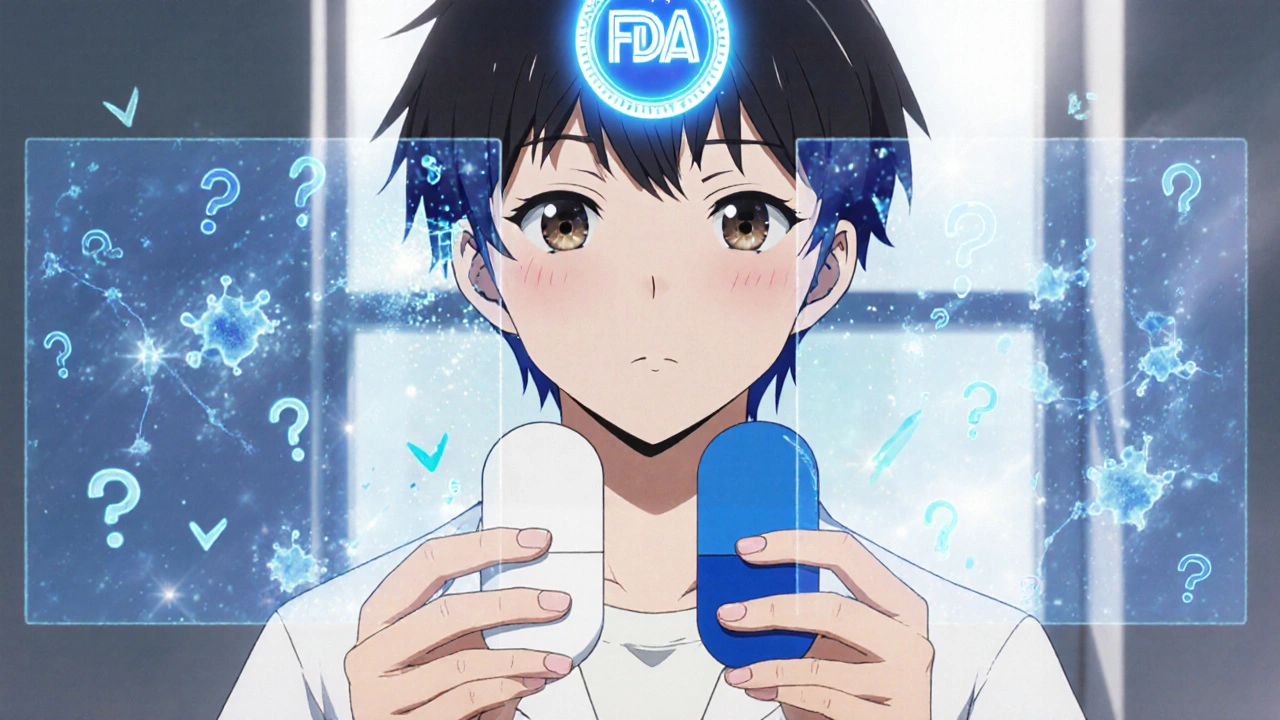
More than 9 out of 10 prescriptions filled in the U.S. today are for generic medications. Yet, many patients still hesitate. They wonder: Are generics really the same? Could they be less safe? Will they even work as well? These aren’t just random worries-they’re real concerns, backed by surveys, personal stories, and even some legitimate medical nuances.
They look different. Does that mean they’re different?
It’s common to notice a change in your pill. The color is off. The shape is different. Maybe it has a weird marking you’ve never seen before. That’s normal. Generic drugs are allowed to look different from brand-name versions. Why? Because the appearance-color, shape, size-isn’t part of what makes the medicine work. It’s just the inactive ingredients: fillers, dyes, coatings. These don’t affect how the drug behaves in your body. The FDA requires that the active ingredient-the part that actually treats your condition-be identical in amount and type. So if you’re taking a 10mg lisinopril pill for blood pressure, the generic has exactly 10mg of lisinopril. The brand does too. The difference? One might be white and round, the other blue and oval. That’s it.Do generics work as well as brand-name drugs?
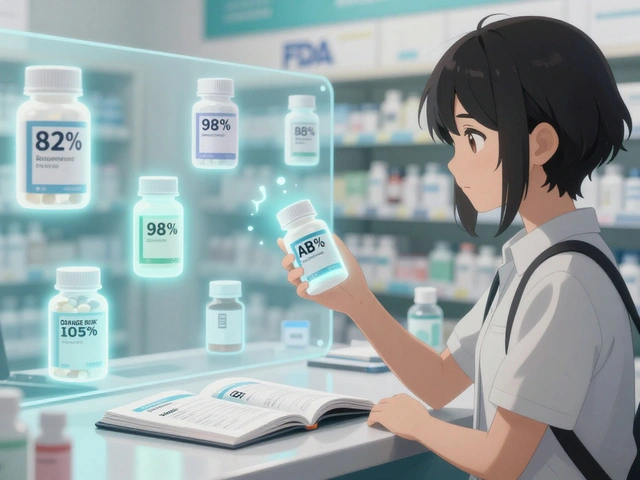
Yes. Every generic drug approved by the FDA must prove it’s bioequivalent to the brand-name version. That means it gets into your bloodstream at the same rate and to the same level. The FDA requires testing that shows the amount of active drug absorbed falls within 80% to 125% of the brand-name drug. That’s not a wide range-it’s tight. It’s the same standard used for any drug, brand or generic. A 2014 study of 753 patients with chronic conditions found that 87% believed generics were just as effective. That’s not opinion-it’s based on real outcomes. Patients on generic versions of medications for diabetes, high cholesterol, and depression saw the same improvements as those on brand-name versions. Even more telling: about half of all generic drugs are made by the same companies that make the brand-name versions. If the brand manufacturer didn’t believe in generics, why would they produce them? They’re not cutting corners. They’re just selling the same medicine under a different label.Are generics safe? Could they have more side effects?
Some patients report new side effects after switching to a generic. But that doesn’t mean the generic is unsafe. It usually means something else is happening. First, all medications-brand or generic-have side effects. If you’ve been on a brand-name drug for years, your body got used to it. Switching to a generic-even if it’s identical-can feel different. That’s psychological, not chemical. Your brain notices the change in appearance and assumes something’s wrong. Second, inactive ingredients can vary. One generic might use a different filler than another. For most people, that’s harmless. But if you have a rare allergy to a dye or preservative, you might react to one version and not another. That’s why pharmacists ask if you’ve had reactions to medications before. If you notice a new side effect after switching, talk to your provider. Don’t assume it’s the generic’s fault. But don’t ignore it either.
What about drugs like warfarin or levothyroxine? Are generics risky for those?
This is the one area where caution is warranted. These are called narrow therapeutic index drugs. That means the difference between a dose that works and a dose that’s dangerous is very small. For these, even tiny changes in absorption matter. Drugs like warfarin (a blood thinner), levothyroxine (for thyroid), and some seizure medications fall into this category. The FDA still approves generics for these drugs-but doctors and pharmacists often recommend staying on the same version, whether brand or generic, once you’ve found what works. If you’re on one of these medications, consistency matters. If you switch from a brand to a generic, or between two different generics, your provider may want to check your blood levels more often for a few weeks. That’s not because generics are unsafe. It’s because precision matters more here.Why are generics so much cheaper?
Brand-name drugs cost a lot because the company spent years and millions developing them. They had to run clinical trials, prove safety, get FDA approval, and market the drug. Once the patent expires, other companies can make the same drug without repeating those expensive steps. Generic manufacturers only need to prove bioequivalence. That’s a faster, cheaper process. Plus, once multiple companies start making the same generic, competition kicks in. Prices drop fast. The Congressional Budget Office found that generic competition can slash prices by 80-90% within months. The result? The U.S. healthcare system saved $2.2 trillion on generic drugs between 2013 and 2023. That’s not a number-it’s real money. Money that kept people from skipping doses, going without meds, or choosing between pills and groceries.Can generics be fake or counterfeit?
No-not the ones you get from a licensed pharmacy in the U.S. The FDA strictly regulates every step of generic drug production. Facilities are inspected regularly. Ingredients are tested. Batch records are tracked. Since 2018, the FDA’s Risk Identification and Correction Action Program has resolved over 1,200 potential quality issues before they reached patients. Counterfeit drugs exist-but they’re sold illegally online or through street vendors. If you’re getting your medication from a pharmacy you trust, you’re not at risk. Never buy pills from websites that don’t require a prescription. That’s where the danger lies, not in FDA-approved generics.
Why do some people still refuse generics?
A 2014 study found that non-Caucasian patients were more likely to request brand-name drugs. Why? Cultural beliefs, past experiences, misinformation passed down through families. One patient in a rural focus group said, “My friend said the generic made her dizzy-so I asked my doctor to stick with the brand.” It’s not just about science. It’s about trust. If you’ve been told your whole life that “the real medicine” is the expensive one, it’s hard to believe otherwise-even when data says you’re wrong. That’s why communication matters. Pharmacists can help. Doctors can help. A simple conversation-“This generic has the same active ingredient as your brand, and it’s been tested to work the same way”-can ease fears.What should you do if you’re unsure?
Ask. Always ask. If you’re handed a new pill and you’re unsure, say: “Is this a generic? Is it the same as what I was taking?” Your pharmacist is trained to answer these questions. They can explain why the pill looks different, confirm it’s FDA-approved, and even check if your insurance requires a generic. If your doctor wrote “Do not substitute” on your prescription, the pharmacy must honor that. You have the right to request the brand-name version. But make sure you know why. Is it because you had a bad reaction? Or because you’re just not sure?Bottom line: Should you take generics?
For most people, yes. They’re just as safe. Just as effective. And they save you-and the system-hundreds of dollars per prescription. The only exceptions? If you’re on a narrow therapeutic index drug and your doctor advises sticking with one version. Or if you’ve had a confirmed reaction to a specific generic formulation (rare, but possible). Don’t let the look of a pill, or a story you heard, stop you from using a medicine that works. The science is clear. The data is solid. And the savings? They’re real.Are generic drugs less effective than brand-name drugs?
No. Every generic drug approved by the FDA must prove it delivers the same amount of active ingredient into your bloodstream at the same rate as the brand-name version. This is called bioequivalence. Studies show that patients using generics for conditions like high blood pressure, diabetes, and depression have the same health outcomes as those using brand-name drugs.
Can generics cause more side effects?
Not because they’re generic. All drugs-brand or generic-can cause side effects. Sometimes, switching to a generic makes you notice side effects you didn’t notice before, because your body is adjusting to a new look or inactive ingredient. Rarely, a person may be sensitive to a dye or filler in one version but not another. If you notice new or worse side effects after switching, talk to your doctor or pharmacist. Don’t assume it’s the generic’s fault-but don’t ignore it either.
Why do generic pills look different from brand-name ones?
By law, generic drugs can’t look exactly like brand-name drugs, even if they contain the same active ingredient. That’s to avoid confusion and trademark issues. Differences in color, shape, or markings are due to different inactive ingredients like dyes or fillers. These don’t affect how the medicine works-only how it looks or tastes.
Are generics made in the same places as brand-name drugs?
Yes. Many brand-name drug companies also manufacture generic versions of their own medicines. In fact, about half of all generics are made by the same companies that make the brand-name versions. The FDA inspects all manufacturing facilities-whether they make brand or generic drugs-with the same strict standards.
Can I trust generics if they’re so much cheaper?
Absolutely. Generics are cheaper because they don’t need to repeat expensive clinical trials. The active ingredient is already proven. Generic manufacturers only need to prove their version works the same way in your body. That’s why they cost 80-85% less. The savings come from efficiency, not lower quality. The FDA ensures every generic meets the same standards as the brand.
What if I’m on a blood thinner like warfarin? Should I avoid generics?
You don’t need to avoid generics, but consistency matters. For drugs with a narrow therapeutic index-like warfarin, levothyroxine, or certain seizure meds-even small changes in how the drug is absorbed can matter. If you’re stable on a brand or generic version, your doctor may recommend staying on it. If you switch, your provider may check your blood levels more often for a few weeks to make sure everything’s still on track.
Can I ask my doctor to prescribe only brand-name drugs?
Yes. If your doctor writes “Do not substitute” on your prescription, the pharmacy must fill it with the brand-name drug. But ask yourself why. Is it because you had a bad experience? Or because you’re worried about quality? Most of the time, generics are just as safe and effective. But your comfort matters too. Talk to your doctor so you both understand the reasons behind your choice.
Are there any generics that aren’t FDA-approved?
No-not the ones you get from a licensed U.S. pharmacy. Every generic sold in the U.S. must go through FDA review and approval. The FDA inspects manufacturing sites and tests products. If a generic doesn’t meet standards, it’s blocked from sale. Be cautious of online pharmacies that sell pills without a prescription. Those are the ones that might be fake or unapproved.
If you’ve been told generics are “second-rate,” don’t believe it. They’re not. They’re the same medicine, sold at a fair price. And for millions of people, they’re the reason they can afford to stay healthy.

DENIS GOLD
November 27, 2025 AT 10:55Oh wow, another government-approved propaganda piece on generics. Next they'll tell me my iPhone charger is just as good as the Apple one. 🤡
Let me guess - the same companies make both? Yeah, right. Like the FDA's got a crystal ball that says 'this generic won't kill you.'
I've seen people switch and end up in the ER. But sure, keep telling yourselves it's all 'bioequivalent.'
Ifeoma Ezeokoli
November 28, 2025 AT 10:51Y'all, I just want to say - this post made me cry a little. 😭
My grandma in Nigeria used to say, 'If it doesn't have a fancy name, it's not medicine.'
But when she started taking the generic blood pressure pill? Her numbers improved. No side effects. No drama.
She said, 'Child, the medicine doesn't care what it's called - it just wants to help.'
And honestly? That's the truth we all need to hear.
Let’s stop shaming people for wanting to trust what they know. Let’s meet them where they are - with patience, not pride.
Daniel Rod
November 30, 2025 AT 07:30It’s wild how much we project fear onto pills, isn’t it? 🤔
We’ll trust a $10,000 surgery but side-eye a $5 generic because it’s a different shade of blue.
Our brains are wired to fear change - even when the change is scientifically identical.
It’s not about the drug. It’s about control. About the illusion that paying more = being safer.
But here’s the quiet truth: medicine doesn’t care about your wallet. It only cares if it’s absorbed.
And if your body absorbs it? You’re good.
Just… maybe say thank you to the pharmacist who saved you $200 today. 🙏
gina rodriguez
December 1, 2025 AT 22:28I love how this post breaks it all down so gently. 💛
As a nurse, I’ve seen patients panic when their pill changes color. I always say: 'Let’s check the name on the bottle - not the shape.'
Most of the time, they just need someone to say, 'It’s okay. You’re not crazy. This is normal.'
And then - boom - they feel heard.
Generics aren’t magic. But they’re not magic tricks either. Just science. And compassion.
Thank you for writing this.
Sue Barnes
December 2, 2025 AT 09:44Don’t be fooled. The FDA is a joke. They approve generics based on paperwork - not real human testing.
My cousin took a generic for anxiety and became a zombie. She lost 30 pounds in two months.
They say 'bioequivalent' - but what does that even mean? It means the company paid the FDA to say yes.
And now you’re telling me it’s fine? No. It’s not fine.
Don’t gamble with your life for $10 off.
jobin joshua
December 2, 2025 AT 19:12Bro, I'm from India, we make 70% of the world's generics 😎
Our factories are cleaner than your local pharmacy.
And guess what? We don't even have the luxury of brand-name drugs.
So yeah, we know what we're doing.
Stop being scared of blue pills. 🤷♂️
Sachin Agnihotri
December 4, 2025 AT 03:42Okay, but… what about the fillers? Like, seriously.
I’m allergic to lactose, and one generic had it, and the other didn’t.
So yeah, they’re the same… mostly.
But if you have allergies? Always check the label.
And if your pharmacist doesn’t tell you? Find a new one.
Also - why do they make them so tiny? My fingers are not that small.
Just saying.
Also - why is the generic version always harder to swallow?
Is it just me?
Also - can we talk about the taste? Some are… metallic.
Also - can we please make them bigger? I’m not a toddler.
Diana Askew
December 4, 2025 AT 22:49They’re hiding something. I know it.
Why do they let generics look different? Why not make them identical?
Because they want you to feel like you’re taking something weaker.
And the same companies make both? Yeah right - that’s the cover-up.
Big Pharma owns the FDA. They own the doctors. They own the pharmacists.
They want you to think it’s safe so you’ll take the cheap version and stop asking questions.
They don’t want you to know that the real medicine is the expensive one.
And the savings? $2.2 trillion? That’s just the tip of the iceberg.
They’re saving money… by killing people slowly.
It’s all connected.
And you’re helping them.
King Property
December 6, 2025 AT 18:34You people are idiots. The FDA’s bioequivalence range is 80%-125% - that’s a 45% swing. That’s not tight. That’s a goddamn canyon.
Let me break it down for you: if your brand dose is 10mg, the generic could be as low as 8mg or as high as 12.5mg.
That’s not the same. That’s a gamble.
And don’t even get me started on warfarin - one point off INR and you’re dead or bleeding out.
And you think that’s acceptable? You think that’s science?
It’s corporate cost-cutting disguised as healthcare.
And you’re here patting yourselves on the back for being 'smart' for taking the cheap pill?
Pathetic.
Yash Hemrajani
December 7, 2025 AT 07:08Wow. So you’re telling me the guy who made your iPhone also made your blood pressure pill? 😂
Yeah, right. Like the same factory that makes your OnePlus charger also makes your insulin.
Let me guess - the FDA just walks in, takes a selfie, and says ‘all good.’
Meanwhile, my cousin in Delhi takes a generic that costs $0.02 a pill - and lives longer than my cousin in Texas who pays $200 for the same thing.
So no. I’m not buying your ‘trust the system’ BS.
But I’ll take the $0.02 pill. Thanks.
Pawittar Singh
December 8, 2025 AT 20:58Hey - I just want to say… you’re not alone if you’re scared.
I used to be the same way. Thought generics were ‘fake medicine.’
Then my dad got sick. We couldn’t afford the brand. So we tried the generic.
He’s alive today because of it.
And you know what? He didn’t feel any different.
Not in his body. Not in his mind.
Just… more peaceful. Less stress about money.
So if you’re reading this and you’re scared?
It’s okay.
But maybe… just maybe… talk to someone who’s been there.
And if you’re lucky? You’ll find out the truth isn’t scary.
It’s just… cheaper.
And that’s okay. 💪❤️
DENIS GOLD
December 9, 2025 AT 19:21Oh wow, so now we’re supposed to feel warm and fuzzy because some guy’s dad took a blue pill? 🤡
That’s not science - that’s emotional manipulation.
And you know what? If your dad’s alive, great. But don’t turn his luck into a national policy.
Some people don’t get lucky.
And you’re gambling with their lives.
And you call that ‘helpful’?