
Therapeutic Equivalence: Are Authorized Generics Really the Same as Brand Drugs?
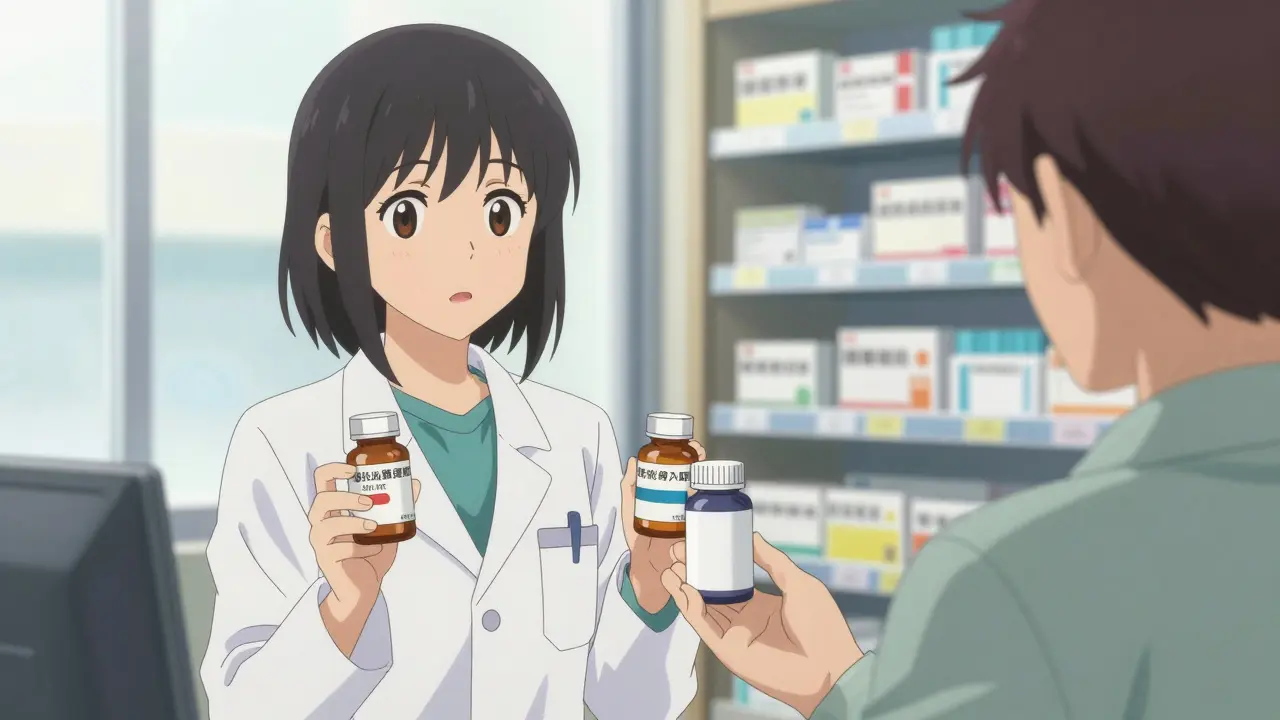
When you fill a prescription for a brand-name drug like Lipitor or Nexium, you might see a lower-priced option on the counter labeled as a generic. But what if the bottle says nothing about a brand name at all - and it’s still made by the same company that made the original? That’s an authorized generic. And yes, it’s the exact same pill, capsule, or injection you’ve been taking - just without the brand logo.
What Exactly Is an Authorized Generic?
An authorized generic isn’t just another generic. It’s the brand-name drug, made in the same factory, with the same active ingredients, same fillers, same coatings, and same manufacturing process. The only difference? No brand name on the label. The FDA defines it clearly: it’s the same drug, just sold under a different label. Companies like Pfizer, AbbVie, or Johnson & Johnson often produce these themselves - not through a separate generic manufacturer, but right out of their own plants. This isn’t some loophole. It’s built into U.S. drug law. The Hatch-Waxman Act of 1984 gave brand companies a way to launch their own generic version when patent protection starts to expire. Why? To compete with other generics and keep some market share. But for patients, it means you get the exact same medicine you trusted - at a lower price.How Is This Different From a Regular Generic?
Regular generics are approved under the Abbreviated New Drug Application (ANDA). That means the maker must prove the drug is bioequivalent - meaning it gets into your bloodstream at about the same rate and amount as the brand. But they can change inactive ingredients: the color, the shape, the binders, the dyes. Sometimes that’s fine. Other times, patients notice differences. A pill that used to be blue is now white. A capsule that used to taste slightly sweet now has a bitter aftertaste. For most people, this doesn’t matter. For some - especially those on thyroid meds, seizure drugs, or birth control - it can. Authorized generics skip all that. They don’t need to prove bioequivalence because they’re not a different product. They’re the brand drug, just unlabeled. Same active ingredient. Same inactive ingredients. Same size, shape, and coating. Same manufacturing line. Same quality control. The FDA holds them to the exact same standards as the brand-name version.Why Aren’t They Listed in the Orange Book?
You’ve probably heard of the FDA’s Orange Book - the official list of approved drugs and their therapeutic equivalence ratings. All regular generics show up there. But authorized generics? They don’t. Why? Because they’re approved under the original brand’s New Drug Application (NDA), not an ANDA. The Orange Book only includes drugs approved through the generic pathway. So if you’re looking for an authorized generic in the Orange Book, you won’t find it. That doesn’t mean it’s not equivalent - it just means it’s not listed there because it’s not classified as a generic under FDA rules. This trips up a lot of pharmacists and patients. You might see two bottles of the same drug: one labeled "atorvastatin" (a regular generic), and another labeled "atorvastatin" but with no company name - and wonder which is better. The unlabeled one? That’s the authorized generic. Same drug. Same quality. Just no brand name.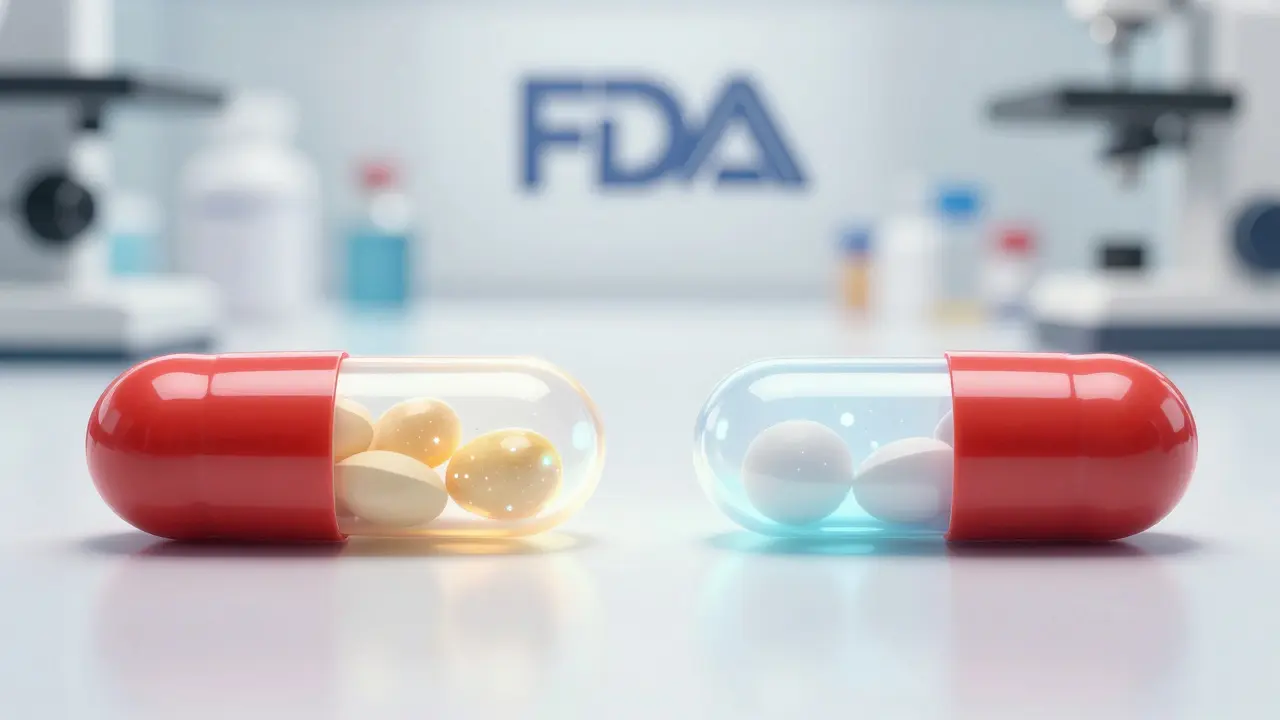
Do They Work the Same?
A 2018 study published in PMC tracked over 5,000 patients who switched from brand-name drugs to generics. About 94% went to some kind of generic. Of those, many were switched to authorized generics. The results? No meaningful difference in hospital visits, ER trips, or whether people stopped taking their meds. The rate of medication discontinuation was nearly identical: 19.3% for regular generics, 18.7% for authorized generics. Even emergency visits were almost the same - just a tiny, statistically insignificant difference. Dr. Janet Woodcock, former head of the FDA’s drug center, put it simply: authorized generics are "the same therapeutic effect as the brand-name product." That’s not marketing speak. That’s regulatory fact. The FDA doesn’t just assume this - they inspect the manufacturing sites, test batches, and require the same stability and purity standards as the brand.What About Cost?
Authorized generics are almost always cheaper than the brand-name version - often by 30% to 50%. But they’re usually a bit more expensive than regular generics. Why? Because they’re made by the original manufacturer, and they don’t have the same cost-cutting pressures as third-party generic makers. Still, for patients who’ve had bad experiences with regular generics - maybe their blood pressure didn’t stabilize, or their skin broke out after switching - authorized generics offer a middle ground. You get the confidence of the original formula, without the brand-name price tag. Some insurance plans prefer regular generics because they’re cheapest. But many now cover authorized generics at the same cost-sharing level as brand-name drugs, especially for high-risk medications like epilepsy drugs or immunosuppressants. If your doctor writes "dispense as written" or "no substitutions," you can still ask your pharmacist: "Do you carry the authorized generic?" It might cost less than the brand - and be more reliable than the regular generic.Why Do Some Doctors and Patients Prefer Them?
It comes down to trust. For drugs with a narrow therapeutic index - where even a small change in blood levels can cause harm - doctors and patients are cautious. Warfarin, levothyroxine, phenytoin, and some psychiatric meds fall into this category. A 2022 study in U.S. Pharmacist noted that while all generics must meet FDA standards, some patients report feeling different after switching to a regular generic - even if lab results show no change. Authorized generics remove that uncertainty. No new fillers. No different coating. No new manufacturer. Just the same pill you’ve been on, minus the brand name. For patients on birth control pills, where even minor formulation changes can affect hormone levels, many providers recommend authorized generics over regular ones. Same active ingredient. Same inactive ingredients. Same absorption rate. Same results.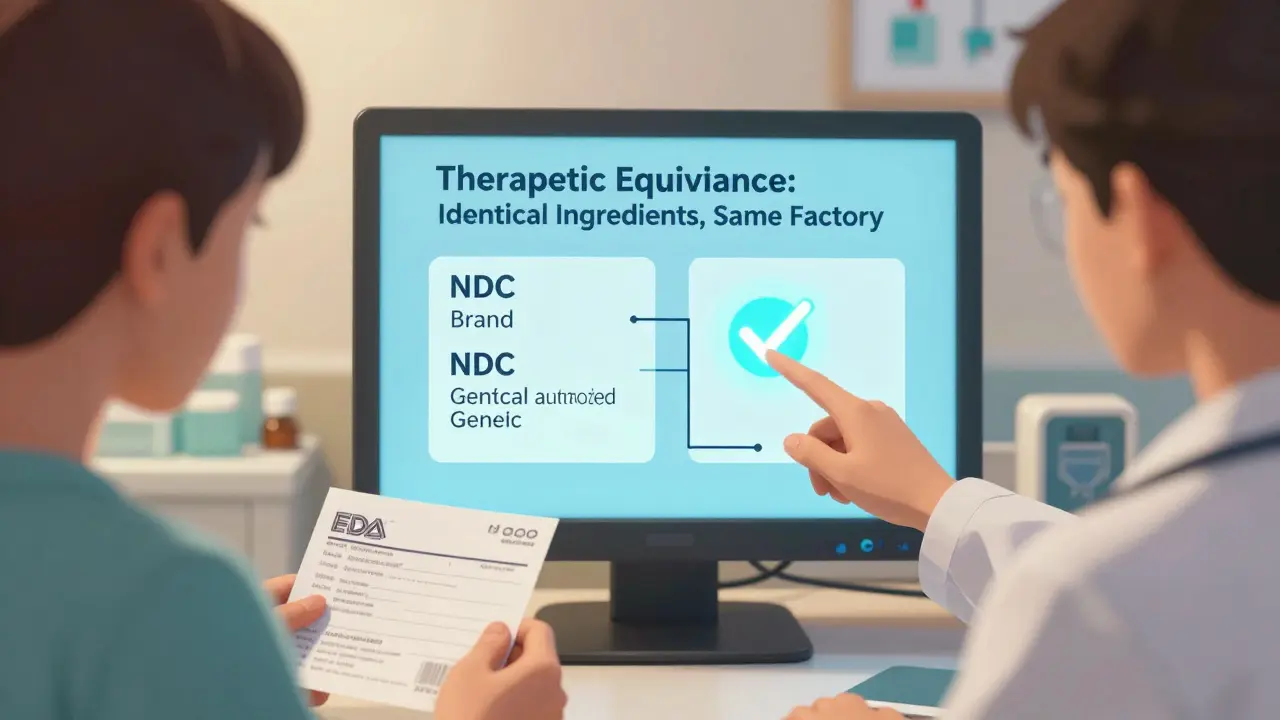
What Should You Do If You’re Switching?
If your brand-name drug is going generic, ask your pharmacist: "Is there an authorized generic available?" They can check the National Drug Code (NDC) database. Authorized generics have different NDCs than both the brand and regular generics - so your pharmacy system will list them as a separate product. Don’t assume the cheapest option is the best. Sometimes the slightly more expensive one is actually the most consistent. If you’re switching from brand to generic and feel off - fatigue, headaches, mood changes, or your condition seems to worsen - don’t just assume it’s "in your head." Talk to your doctor. Ask if an authorized generic is an option. Many patients report feeling better after switching from a regular generic to an authorized one, even though both are technically "equivalent."Is There Any Risk?
The biggest risk isn’t the drug itself - it’s confusion. If your insurance only covers regular generics, you might not even know an authorized generic exists. Or your pharmacist might not automatically offer it unless you ask. Some patients are told, "It’s just a generic," and assume all generics are the same. They’re not. The FDA has been pushing for more transparency. In 2023, they updated labeling rules to make sure authorized generics clearly indicate they’re identical to the brand. In 2022, they launched a new initiative under GDUFA III to improve tracking and public awareness. But until more patients and providers know the difference, the gap in understanding remains.Bottom Line
Yes, authorized generics are therapeutically equivalent to brand-name drugs. They’re not just close - they’re identical. Made in the same place. With the same ingredients. Held to the same standards. If you’ve had trouble with regular generics, or you’re on a medication where consistency matters, an authorized generic isn’t just a good alternative - it’s often the best one. You don’t have to pay brand prices to get brand quality. You just have to know to ask for it.Are authorized generics the same as brand-name drugs?
Yes. Authorized generics are made by the same company that makes the brand-name drug, using the exact same ingredients, manufacturing process, and quality controls. The only difference is the label - no brand name appears on the packaging. The FDA considers them therapeutically identical.
Why don’t authorized generics appear in the FDA’s Orange Book?
The Orange Book only lists drugs approved through the Abbreviated New Drug Application (ANDA) process. Authorized generics are approved under the original brand’s New Drug Application (NDA), so they’re not included. That doesn’t mean they’re not equivalent - it just means they’re classified differently under FDA rules.
Are authorized generics cheaper than brand-name drugs?
Yes. Authorized generics typically cost 30% to 50% less than the brand-name version. They’re often slightly more expensive than regular generics because they’re made by the original manufacturer, but still significantly cheaper than the branded product.
Can I trust authorized generics for critical medications like thyroid or seizure drugs?
Yes. For medications with a narrow therapeutic index - where small changes in blood levels can affect outcomes - authorized generics are often preferred by doctors because they contain the exact same inactive ingredients as the brand. This reduces variability that can occur with regular generics, which may use different fillers or coatings.
How do I know if my pharmacy is giving me an authorized generic?
Ask your pharmacist. Authorized generics have different National Drug Codes (NDCs) than both the brand and regular generics. The bottle will have no brand name on it, but the label may say "manufactured by" followed by the brand company’s name. You can also check the drug’s NDC in the FDA’s database or ask your pharmacist to confirm the manufacturer.



James Dwyer
January 28, 2026 AT 15:12Just got prescribed atorvastatin last week and asked for the authorized generic. Pharmacist looked at me like I was speaking Klingon. Turned out they had it in stock - same bottle as the brand, just no logo. Saved me $42 this month. Why don’t more people know this?
jonathan soba
January 29, 2026 AT 11:31Technically, the FDA’s definition of therapeutic equivalence is statistically derived from bioequivalence studies - not identity. Calling an authorized generic 'the exact same pill' is misleading. The manufacturing batch, even from the same facility, can vary in dissolution profile by up to 10%. The label may be different, but the pharmacokinetic variance isn’t zero. Don’t confuse regulatory classification with physical sameness.
Kathy Scaman
January 31, 2026 AT 10:59I switched from brand Lipitor to the authorized generic after my insurance dropped coverage. Felt zero difference - no headaches, no mood swings, my cholesterol’s stable. My mom had a bad experience with a regular generic for levothyroxine - her TSH went haywire. We switched her to the authorized version and boom, back to normal. If you’re on something critical, don’t just grab the cheapest. Ask for the one with the same manufacturer name on the label.
Anna Lou Chen
January 31, 2026 AT 17:19Let’s deconstruct the ontological implications of pharmaceutical branding. The authorized generic is a Hegelian negation of the brand - the same substance, stripped of its ideological signifier. The label becomes the site of capitalist alienation: the pill is identical, yet the consumer is coerced into paying more for the myth of consistency. The FDA’s refusal to list it in the Orange Book is not bureaucratic oversight - it’s epistemic violence. We’ve been trained to equate visibility with legitimacy, but the authorized generic exists in the liminal space between commodity and cure. It is the pharmakon: both remedy and poison, depending on whether you pay for the brand’s aura.
Lance Long
February 1, 2026 AT 22:34Biggest thing I’ve learned in 15 years as a pharmacist? People panic when the pill looks different. Blue capsule becomes white? They think it’s broken. But if you tell them it’s the same drug, same factory, just no logo - they breathe easier. Authorized generics are the quiet hero of the pharmacy. They’re not flashy, they don’t have ads, but they’re the reason so many folks stay on their meds. If you’ve ever felt weird after switching to a generic, ask for the authorized one. You might be surprised how much better you feel. And yeah, it’s worth the extra $3.
Timothy Davis
February 3, 2026 AT 18:40Actually, the 2018 study you cited had a selection bias - it excluded patients who discontinued due to perceived ineffectiveness. The authors themselves admitted that subjective reports of side effects were not systematically captured. Also, the NDC database is not always updated in real time. Many pharmacies still mislabel authorized generics as 'regular generics' in their systems. And let’s not forget: while the active ingredient is identical, the excipients aren’t always 100% identical across batches, even in the same plant. The FDA doesn’t require full batch-to-batch excipient matching for NDAs - only that they're within acceptable limits. So no, it’s not *exactly* the same. It’s close enough for regulatory purposes, but that’s not the same as identical.
fiona vaz
February 5, 2026 AT 09:07My dad’s on warfarin. We switched him from brand to regular generic - INR went wild for three weeks. Switched to authorized generic - stable in 5 days. No drama. No extra tests. Just the same pill, same company. If your med is critical, don’t gamble. Ask for the authorized version. It’s not magic, it’s just consistency. And yeah, it’s worth the extra few bucks.
Sue Latham
February 7, 2026 AT 02:13Ugh, I hate when people act like authorized generics are some secret wellness hack. It’s just a branded drug with the logo sandblasted off. You’re not some pharmaceutical connoisseur for asking for it. But hey, if it makes you feel better, go for it. Just don’t act like you’re saving the world because you found the ‘real’ version.
Linda O'neil
February 7, 2026 AT 08:40Just told my sister about this. She’s been on birth control for 8 years and switched to a regular generic last year - started having breakthrough bleeding. Switched to the authorized generic? Gone in two cycles. She didn’t even know it was an option. If you’re on anything hormonal, thyroid, or seizure meds - ask your pharmacist. Seriously. It’s not about being fancy. It’s about your body not throwing a tantrum.