
How Brand Manufacturers Produce Their Own Generic Versions
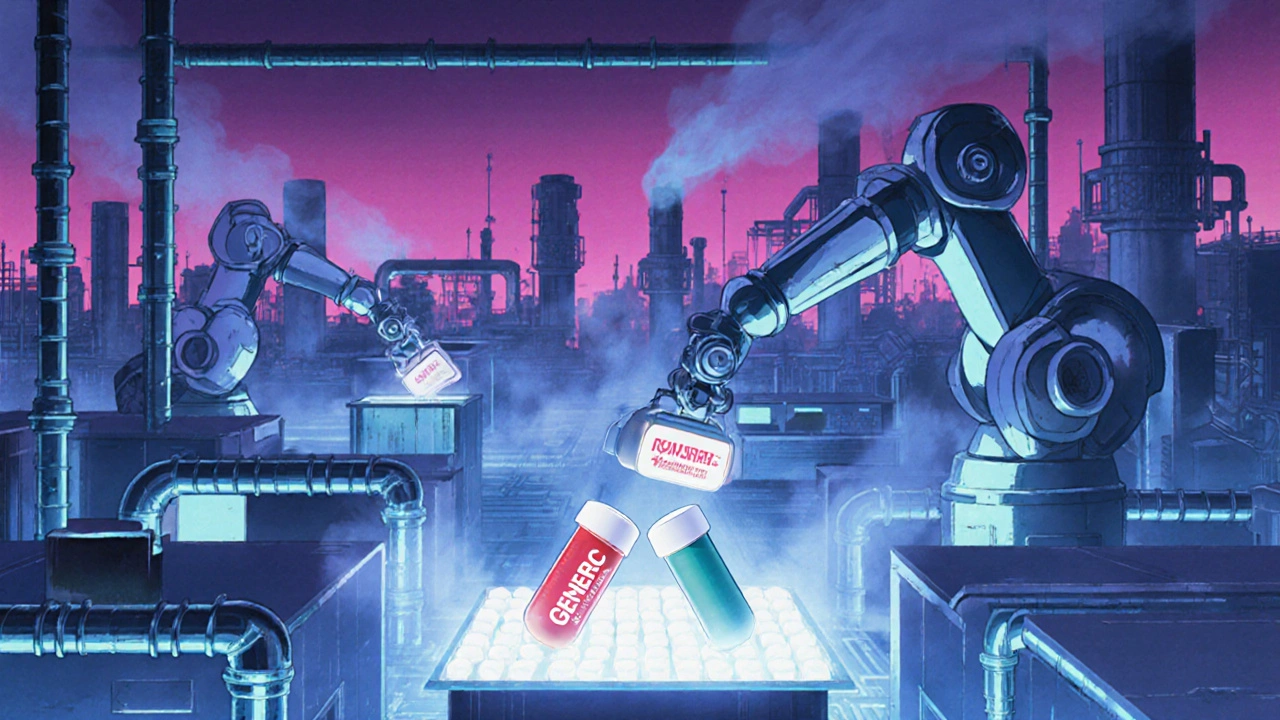
When you see a pill that looks exactly like the brand-name drug you’ve been taking for years-but costs half as much-it’s easy to assume it’s just another generic made by a different company. But what if that same pill was made in the exact same factory, with the same ingredients, by the same company that made the brand version? That’s not a coincidence. It’s called an authorized generic, and it’s a strategy used by major drug manufacturers to keep control of their own market after patents expire.
What Exactly Is an Authorized Generic?
An authorized generic is a version of a brand-name drug that’s made by the original manufacturer and sold under a different label. It’s not a copy. It’s the same drug-same active ingredient, same inactive ingredients, same shape, same color, same manufacturing process. The only differences? The box and the name. No clinical trials are needed because the company already proved the drug’s safety and effectiveness when they first got FDA approval. They simply repackage it as a generic. This isn’t a loophole. It’s legal under the Drug Price Competition and Patent Term Restoration Act of 1984, better known as the Hatch-Waxman Act. That law was meant to speed up generic drug approvals and lower prices. But it didn’t stop brand companies from playing the game themselves. In fact, it gave them the tools to do it right.Why Do Brand Companies Make Their Own Generics?
When a patent runs out, the brand drug’s price usually drops by 80-85% within the first year. That’s not because generics are cheap to make-it’s because dozens of competitors flood the market, and pharmacies switch to the lowest bidder. The brand company loses most of its revenue overnight. So what do they do? They launch their own generic version-before anyone else can get a foothold. By doing this, they capture 15-35% of the generic market in the first year, according to Drug Patent Watch’s 2023 analysis. That’s billions in revenue they didn’t have to give up. Take Eli Lilly’s Cialis. When the patent expired in 2018, they released their own authorized generic. Even with generic competition, they kept 78% of the total market revenue. How? Because patients didn’t switch. They didn’t know the difference. And pharmacies kept stocking it because it was still profitable.How Is It Made? Same Factory, Same Machine
The production process for an authorized generic is almost identical to the brand version. The same facility. The same equipment. The same quality control checks. The only change is the label. No new FDA inspections are required because the company already passed them. That’s a huge advantage. Traditional generic makers have to build new factories, get FDA approval for their own production lines, and wait 17 months on average for approval. Brand companies? They can switch over in 6-9 months. And they don’t have to wait for the 180-day exclusivity period that the first generic applicant gets. They can launch on day one. In 2019, Teva launched an authorized generic of Copaxone-the exact same day the patent expired. They captured 22% of the generic market in the first quarter. Competitors were still waiting for their paperwork to clear.
How Is It Priced? Not as Cheap as You Think
Here’s where things get tricky. Authorized generics aren’t the cheapest option. They’re usually priced 10-15% below the brand name, but 5-10% above the cheapest generic. That’s not an accident. It’s a pricing strategy. Pharmacies and insurers often prefer the lowest price. But patients? Many stick with the authorized generic because it feels familiar. A 2023 Kaiser Family Foundation survey found 71% of patients preferred it when available-mostly because they recognized the pill. Only 64% knew it was made by the same company as the brand. On Reddit, users complain about it. One wrote: "I paid $85 for the authorized generic. The real generic was $30. Where’s the savings?" That’s the point. The brand company isn’t trying to beat the cheapest generic. They’re trying to keep you from switching to it.Is This Good for Patients?
The FDA says authorized generics are 99.7% bioequivalent to the brand. That means your body absorbs them the same way. In that sense, they’re safe and effective. But are they helping you save money? Not always. A 2022 JAMA study by Harvard’s Dr. Aaron Kesselheim found that markets with authorized generics saw only a 32% price drop. Markets with only traditional generics saw drops of 68%. That’s a big difference. Independent pharmacists report confusion. Patients walk in asking for the "generic" and get handed the authorized version, thinking they’re getting the cheapest option. They’re not. They’re getting the same drug, just with a different label and a higher price tag. On the flip side, patients who switch from brand to authorized generic often report fewer side effects or better consistency. Why? Because the pill hasn’t changed. It’s the same formula they’ve trusted for years.Regulators Are Watching
The Federal Trade Commission (FTC) has taken action. Between 2015 and 2020, they filed antitrust cases against several companies for using authorized generics to block competition. One case against Actavis over the drug Namenda ended in a $448 million settlement. The FTC argued the company used its own generic to scare off competitors and delay market entry. The CREATES Act of 2019 tried to fix some of these abuses by requiring brand companies to provide samples to generic makers. But it didn’t ban authorized generics. It just made it harder to use them as a weapon.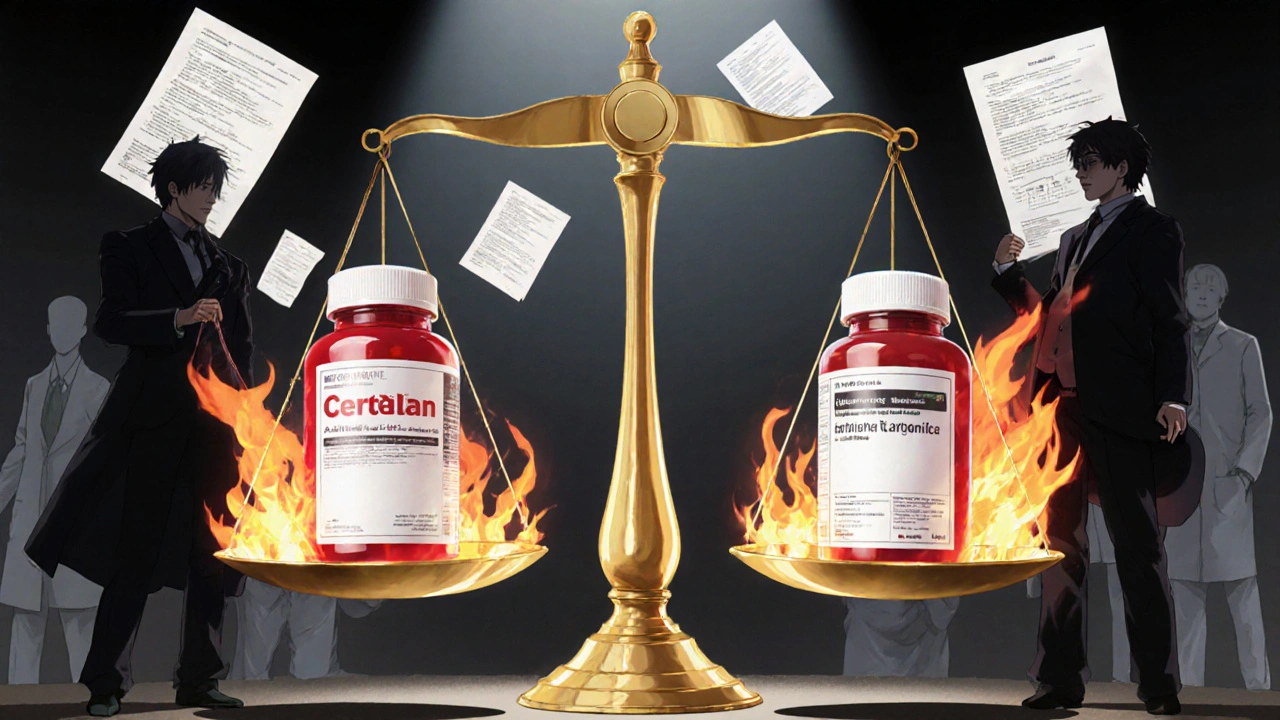


Tina Dinh
November 30, 2025 AT 18:22Geoff Heredia
December 1, 2025 AT 04:17Bernie Terrien
December 2, 2025 AT 08:37linda wood
December 3, 2025 AT 02:15Jennifer Wang
December 3, 2025 AT 03:48Subhash Singh
December 4, 2025 AT 15:47LINDA PUSPITASARI
December 6, 2025 AT 13:15Peter Lubem Ause
December 7, 2025 AT 17:05Andrew Keh
December 9, 2025 AT 16:06stephen idiado
December 11, 2025 AT 12:57