Hatch-Waxman Act: How It Shaped Generic Drugs and Lowered Prescription Costs
When you pick up a generic pill at the pharmacy and pay a fraction of what you used to, you’re seeing the result of the Hatch-Waxman Act, a 1984 U.S. law that created a legal pathway for generic drugs to enter the market without repeating costly clinical trials. Also known as the Drug Price Competition and Patent Term Restoration Act, it’s the quiet engine behind most of the medications you buy today.
This law didn’t just make generics possible—it made them practical. Before 1984, drug companies could stretch patents for years, blocking cheaper versions even after the original drug’s science was public. The Hatch-Waxman Act changed that by letting generic makers submit an ANDA, an Abbreviated New Drug Application that proves their version is bioequivalent to the brand-name drug. This meant no need to retest safety from scratch—just prove it works the same way in the body. At the same time, it gave brand-name companies a little extra patent time (up to five years) to recover research costs. That trade-off? More generics sooner, without killing innovation.
The ripple effects are everywhere. The FDA generic approval, the process that follows the Hatch-Waxman Act, now handles thousands of applications each year. It’s why you can buy metformin for $4 instead of $400, or why your blood pressure med costs less than a cup of coffee. It also created the Orange Book, the FDA’s official list of approved generics and their therapeutic equivalence codes, which pharmacists use daily to swap brands safely. But it’s not perfect. Patent challenges, legal delays, and loopholes still slow down some generics—especially for complex drugs like biologics. Still, for most common pills, the Hatch-Waxman Act works.
What you’ll find below are real stories and facts about how this law touches your life: how generics are tested, why some people still doubt them, how age and sex in clinical trials now matter more than before, and how your pharmacist uses the Orange Book to make sure you get the right drug at the right price. This isn’t just policy—it’s your medicine, made affordable.
How Multiple Generic Drug Competitors Enter After the First Market Entrant
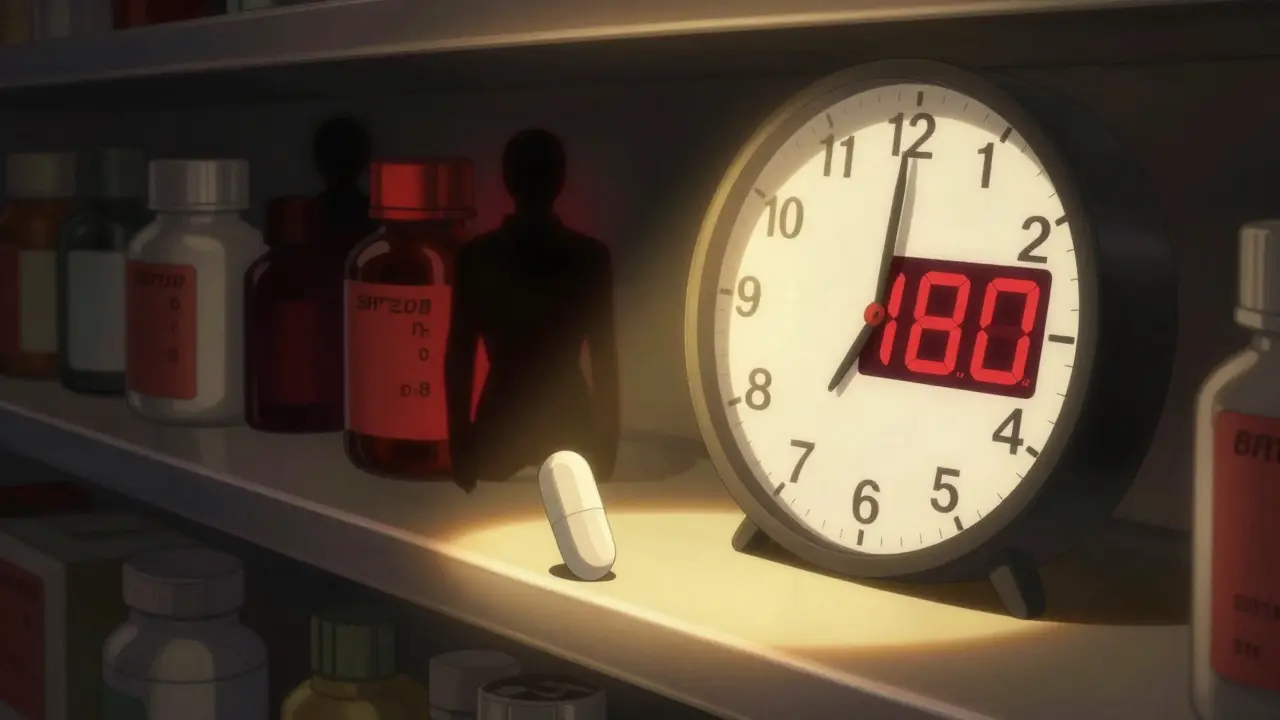
After the first generic enters the market, prices begin to collapse as more competitors join. The Hatch-Waxman Act grants 180 days of exclusivity, but once it ends, multiple generics flood in, driving prices down to as low as 17% of the brand's cost. Authorized generics and PBM contracts shape who wins-and who gets left out.
How Brand Manufacturers Produce Their Own Generic Versions
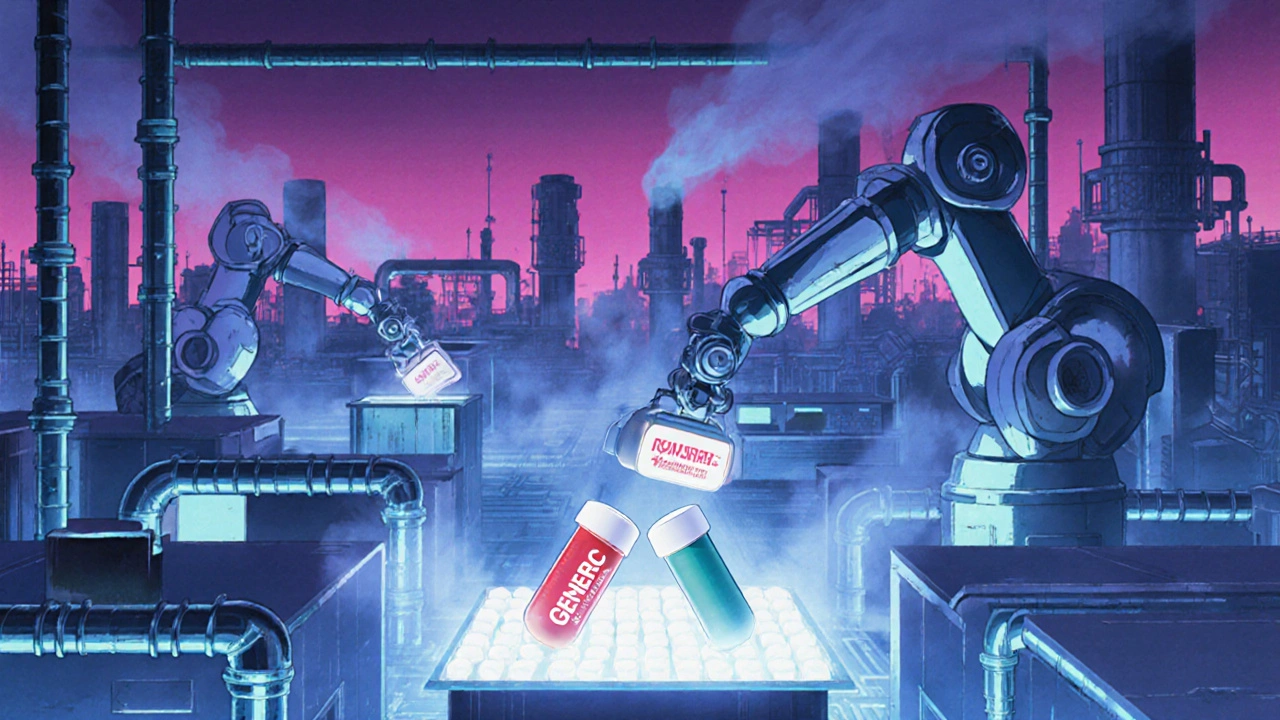
Brand manufacturers produce their own generic versions-called authorized generics-to maintain market share after patents expire. These are identical to the brand drug but sold under a different label, often at a higher price than traditional generics.
Categories
- Medications (96)
- Health and Wellness (47)
- Pharmacy Services (16)
- Chronic Conditions (9)
- Women Health (8)
- Health and Nutrition (5)
- Medical Research (4)
- Mental Health (4)
- Child Health (2)
- Skincare (2)
Popular Articles