
FDA Inspection of Generic Manufacturing Facilities: What to Expect in 2025
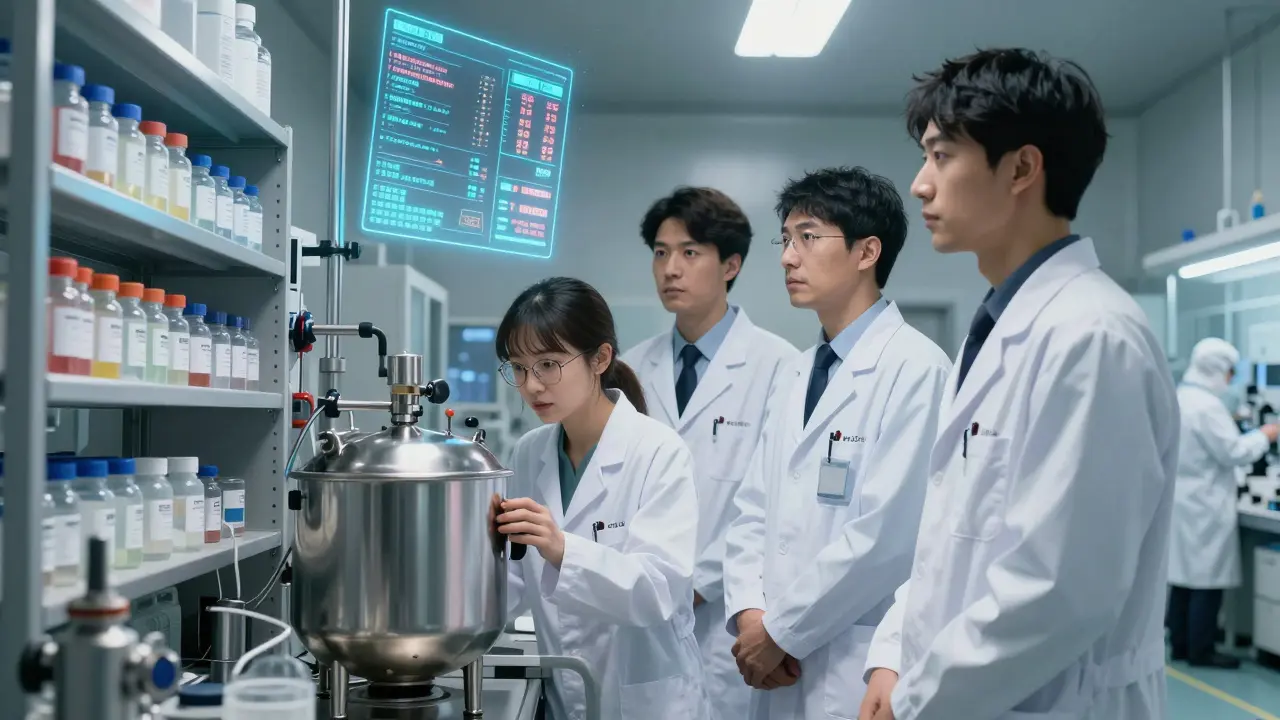
What Happens During an FDA Inspection of a Generic Drug Facility?
If you run or work at a generic drug manufacturing plant, you know the FDA doesn’t show up with a warning. They come in quietly, often unannounced, and start asking questions. Not the kind you can bluff your way through. They’re looking for proof-paper trails, data logs, clean rooms, trained staff, and systems that actually work. This isn’t about paperwork for paperwork’s sake. It’s about making sure every pill, capsule, or injection you make is safe, consistent, and effective. The FDA doesn’t inspect to punish. They inspect to protect patients.
The Four Types of FDA Inspections You Might Face
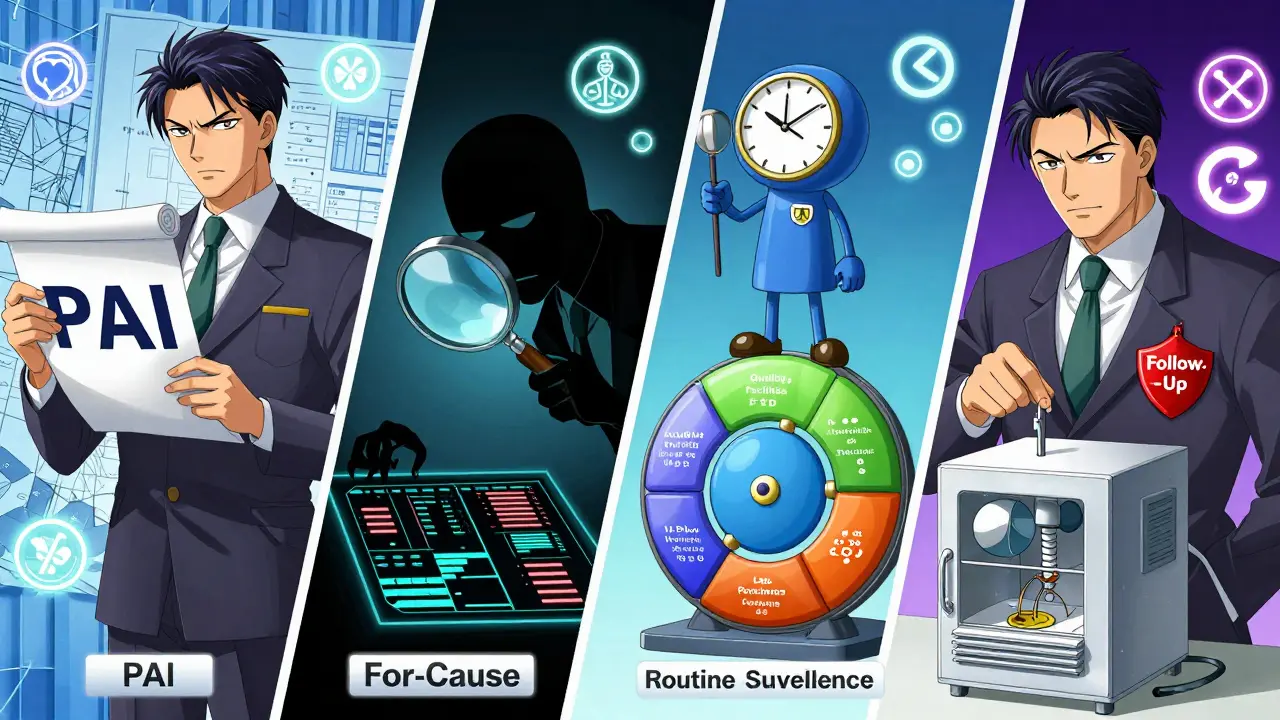
Not all inspections are the same. The FDA uses four main types, and which one hits your facility depends on where you are in the product lifecycle.
- Pre-Approval Inspection (PAI): This happens before your generic drug gets approved. The FDA wants to see if your facility can actually make the drug the way you described in your application. They’ll check if your equipment matches your submission, if your lab methods are accurate, and if your stability samples are stored correctly. If your facility can’t prove it’s ready for commercial production, your drug won’t get approved.
- Routine Surveillance Inspection: These happen every 1-3 years for most facilities. The FDA picks sites using a risk-based model. Higher-risk products, past violations, or sudden spikes in complaints can bump you to the top of the list. During these inspections, they use a 6-system approach: Quality, Facilities & Equipment, Materials, Production, Packaging & Labeling, and Laboratory Control. The Quality System is always reviewed-it’s the backbone of everything else.
- For-Cause Inspection: Triggered by specific red flags: a whistleblower tip, a consumer complaint about a batch, or data integrity issues found in another facility. These are intense. Investigators zero in on the problem area but still look at the whole quality system to see if it’s a symptom of a bigger issue.
- Follow-Up Inspection: If you got a warning letter or an FDA 483 with serious findings, they’ll come back to see if you fixed it. No second chances. If you didn’t fix it properly, the FDA can shut you down.
What the FDA Investigators Actually Look For
They don’t just walk in and ask for your SOPs. They dig. They start with your Quality Unit-because if that team isn’t empowered and independent, nothing else matters. Under 21 CFR 211.22(a), the FDA requires a quality unit that can say “no” to production if something’s wrong. If your quality team reports to production, you’re already in trouble.
They’ll ask for:
- Deviation reports from the last 12 months-did you investigate every single one?
- Equipment qualification records-was your mixer calibrated? Was your autoclave validated?
- Supplier approval logs-do you know where your active ingredients come from? Are those suppliers audited?
- Batch records-do they match your process validation? Is every step signed off?
- Lab data-do your analytical methods actually work? Are your stability studies real, or just filed to get approval?
They’ll check your clean rooms. They’ll watch how your staff handles materials. They’ll open your refrigerators to see if your stability samples are stored at the exact temperature listed in your application. If you say your product is stable at 2-8°C but your fridge is at 12°C? That’s a violation.
The FDA 483: What It Means and What to Do
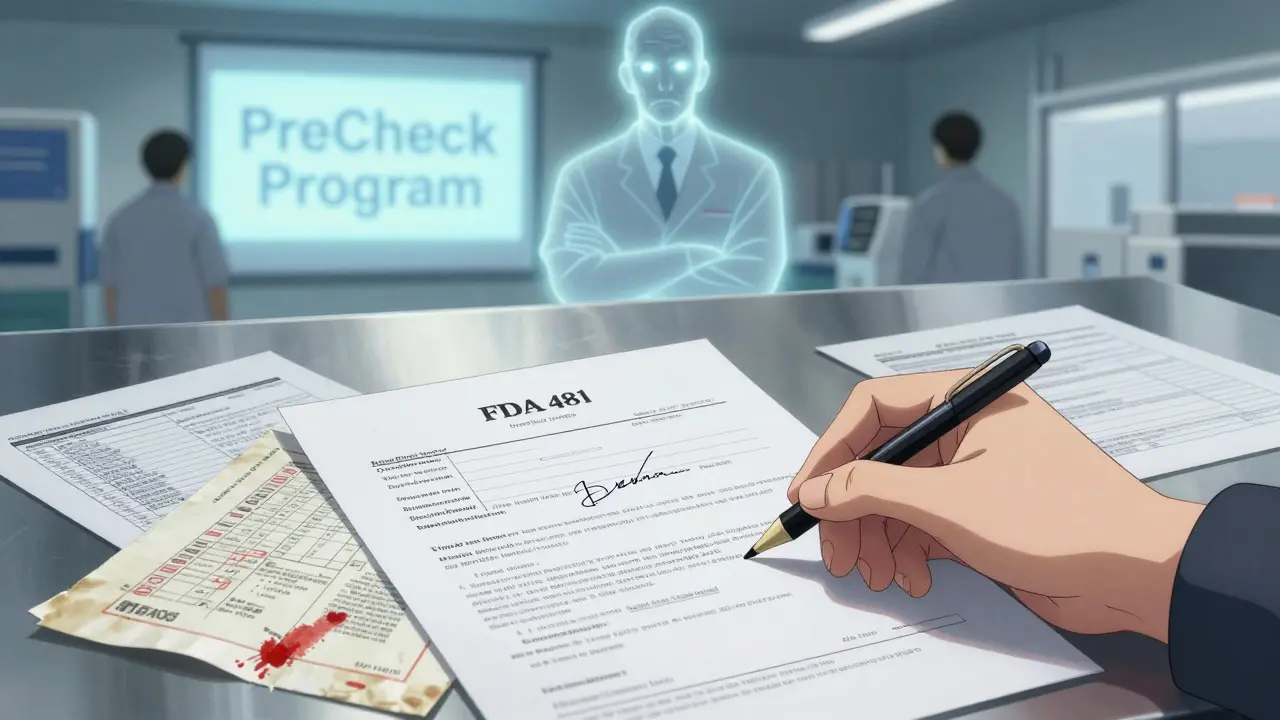
If the inspectors find problems, they’ll hand you Form FDA 483. This isn’t a fine. It’s a list of observations-what they saw that doesn’t meet CGMP standards. Each item references a specific regulation, like 21 CFR 211.113 for inadequate cleaning procedures or 21 CFR 211.194 for missing test records.
Here’s what you must do:
- Don’t ignore it. Even if you think the observation is minor, the FDA sees patterns. One small issue can become a warning letter.
- Respond in 15 business days. Your response must be detailed, factual, and backed by evidence. Don’t say “we’ll fix it.” Say “we replaced the filter on June 3, validated the new process on June 10, and attached the validation report.”
- Don’t argue. Arguing with the inspector doesn’t help. Your response goes to the FDA’s compliance team-not the person who wrote the 483. Be professional, be thorough.
More than 90% of inspections result in acceptable compliance. That means most companies get it right. But the 10% that don’t? They’re the ones who treated the 483 like a formality.
How to Get Ready-Without Panicking
You can’t cram for an FDA inspection. It’s not a test you study for the night before. The only way to be ready is to live in compliance every day.
Here’s what actually works:
- Run mock inspections. Every quarter, have someone from outside your team walk through your facility like an FDA inspector. Use the 6-system checklist. Record it. Find the gaps before they do.
- Keep your facility clean and organized. If your warehouse is messy, your documentation is probably messy too. The FDA notices everything. Dust on a valve? That’s a sign of poor housekeeping-and possibly poor process control.
- Train your staff to speak up. If a technician notices a deviation, they need to know how to report it. If they’re afraid to speak, problems hide. Culture matters more than SOPs.
- Use the PreCheck program. Launched in 2024, this is your best tool. If you’re building a new facility or upgrading equipment, submit a Type V Drug Master File (DMF) to the FDA early. They’ll give you feedback on your design before you spend millions. It’s not mandatory, but it’s the smart move.
What Happens After the Inspection
The inspection doesn’t end when the inspectors leave. They write an Establishment Inspection Report (EIR), which becomes part of your facility’s permanent record. If they found nothing serious, your file says “acceptable.” If they found major issues, you might get a warning letter.
Warning letters are serious. They’re public. They can delay approvals, trigger import alerts, and scare off partners. But they’re not the end. The FDA released new guidance in June 2025 on post-warning letter meetings (PWLMs). This gives you a chance to sit down with them, explain your corrective actions, and get their input before you submit your formal response. Use it. Don’t wait for them to shut you down.
Why This Matters Beyond Compliance
Generic drugs make up 90% of prescriptions in the U.S. But they’re not cheap because they’re low quality. They’re cheap because they’re efficient. The FDA’s job is to make sure that efficiency doesn’t come at the cost of safety.
Facilities with mature quality systems don’t just pass inspections-they thrive. Their products move faster through approval. Their customers trust them. Their employees take pride in their work.
The FDA isn’t your enemy. They’re the gatekeeper. And if you treat compliance like a chore, you’ll get burned. But if you treat it like a foundation-for quality, for reputation, for patient safety-you’ll build something that lasts.
What’s New in 2025
The FDA’s focus has shifted from just checking boxes to understanding quality culture. They’re now trained to spot signs of data manipulation-backdated entries, deleted logs, or inconsistent signatures. They’re also looking at how your team handles change. Did you validate a new machine? Did you retrain staff? Did you document it?
The PreCheck program is expanding. More facilities are using it. And those that do? They’re seeing fewer surprises during PAIs and routine inspections. The FDA wants you to succeed-just not at the expense of safety.
Can the FDA inspect my facility without notice?
Yes. While the FDA sometimes schedules inspections, they have the legal right to conduct unannounced inspections at any time. This is especially common for facilities with past compliance issues or those manufacturing higher-risk products. Treating every day as if an inspection could happen is the best way to stay prepared.
What happens if I don’t respond to an FDA 483?
Failing to respond within 15 business days is seen as non-cooperation. The FDA will likely escalate the issue, possibly issuing a warning letter or placing your facility on import alert. This can block your products from entering the U.S. market and damage your reputation with regulators and customers.
Are generic drug inspections less strict than brand-name inspections?
No. Generic drug facilities are held to the same CGMP standards as brand-name manufacturers. The FDA applies identical inspection protocols and regulatory requirements. The only difference is that generic manufacturers must prove bioequivalence, while brand-name companies must prove safety and efficacy. But the manufacturing process must meet identical quality standards.
How often does the FDA inspect generic drug facilities?
Routine inspections typically occur every 1 to 3 years, but the frequency depends on risk. Facilities with a history of violations, those producing high-risk products (like injectables), or those located in countries with lower compliance rates may be inspected more often. Some facilities may go years without an inspection if they have consistently strong compliance records.
Can I appeal an FDA inspection finding?
You can’t appeal the inspection itself, but you can respond to findings with evidence and clarification. If the FDA issues a warning letter, you can request a post-warning letter meeting (PWLM) to discuss your corrective actions. If you believe the findings are inaccurate, you can submit additional documentation or request a meeting with FDA management. However, disputing findings without data rarely changes the outcome.
What’s the most common reason generic facilities fail inspections?
The most common issue is poor data integrity-missing records, backdated entries, or lack of audit trails. The second most common is inadequate quality unit independence. If the quality team can’t stop production when needed, the FDA considers the entire system compromised. Other frequent problems include unvalidated equipment, incomplete batch records, and failure to investigate deviations.


Jon Paramore
December 20, 2025 AT 09:01Swapneel Mehta
December 21, 2025 AT 19:07Teya Derksen Friesen
December 23, 2025 AT 07:26Jason Silva
December 24, 2025 AT 03:27Southern NH Pagan Pride
December 26, 2025 AT 01:53Orlando Marquez Jr
December 26, 2025 AT 07:03John Hay
December 27, 2025 AT 00:34Cameron Hoover
December 28, 2025 AT 13:21Stacey Smith
December 29, 2025 AT 10:00Ben Warren
December 30, 2025 AT 21:13Hannah Taylor
January 1, 2026 AT 10:21Michael Ochieng
January 2, 2026 AT 05:28Meina Taiwo
January 3, 2026 AT 14:09