
Fermented Foods and MAOIs: The Real Tyramine Danger Beyond Cheese
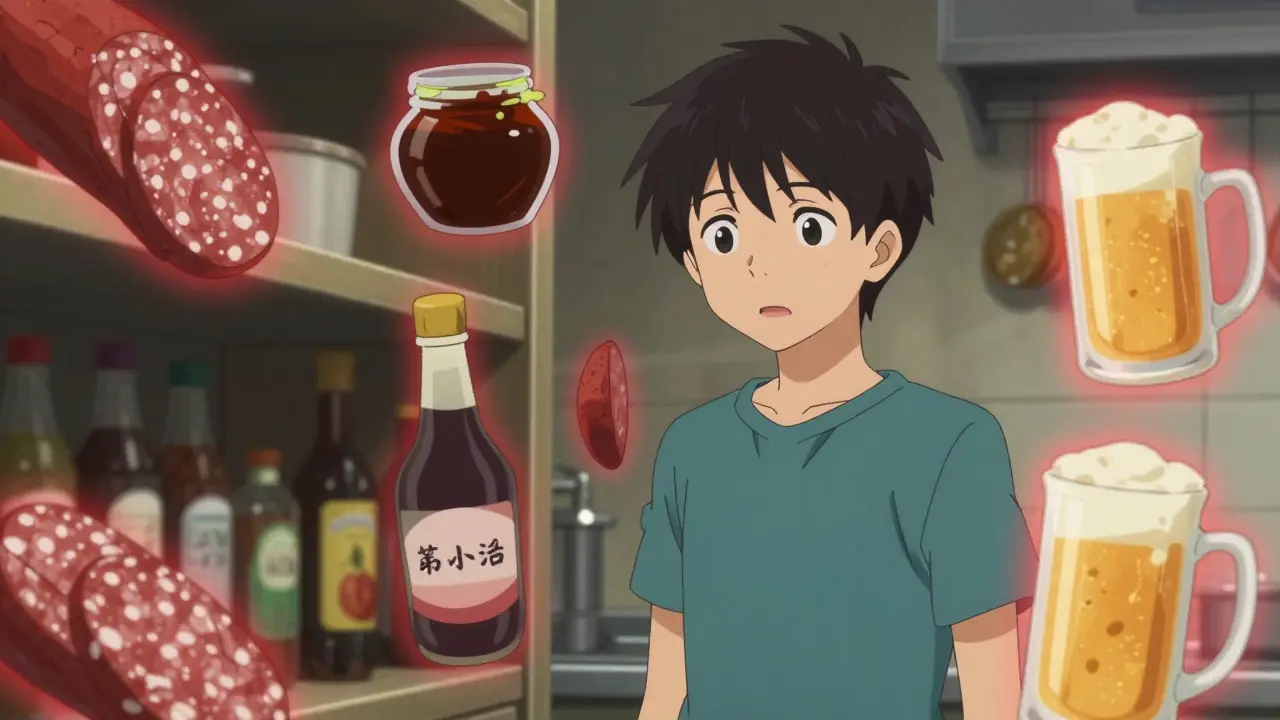
Tyramine & MAOI Risk Scanner
Check Your Planned Meals
Select items to calculate your potential tyramine exposure.
Proteins & Meats
Cheese & Dairy
Condiments & Sauces
Beverages
Safety Status
Select items above and click check.
You think you know the risks of taking MAOIs? You probably associate them only with avoiding aged cheddar or parmesan. But here is the truth that many doctors fail to explain clearly: the real danger often hides in your condiments and your beer. A hypertensive crisis isn't just a headache; it is a medical emergency where blood pressure spikes dangerously fast. If you are on this medication, ignoring these hidden triggers can lead to the hospital.
We need to talk about why your body reacts this way when mixing certain foods with these powerful antidepressants. This isn't about fear-mongering; it is about understanding the chemistry so you can live safely while treating depression effectively.
The Science Behind the Spike
To understand the risk, we first need to look at how Monoamine Oxidase Inhibitors, commonly known as MAOIs, work in your system. These medications block an enzyme called monoamine oxidase. Normally, this enzyme breaks down excess neurotransmitters like norepinephrine and serotonin. By blocking it, the medication boosts these chemicals to lift your mood.
MAOIs represent the first class of antidepressants developed, originally approved by the FDA in the late 1950s and early 1960s.Here is the problem: that same enzyme is supposed to handle tyramine, a substance found in aging proteins. When you take an MAOI, your body loses its ability to break down tyramine efficiently. Instead of processing it, your body releases a surge of norepinephrine. This causes your blood vessels to constrict rapidly, sending your systolic blood pressure soaring past 180 mmHg. Doctors call this a hypertensive crisis, and it requires immediate intervention.
Why does tyramine exist? It forms naturally during fermentation and aging. As bacteria act on protein over time, they convert tyrosine amino acids into tyramine. Fresh food contains almost none. Old food, spoiled food, and fermented food contain high amounts. This distinction is vital for your safety.
More Than Just Cheese: The Hidden Sources
Aged cheeses like blue, Swiss, and feta get all the blame, but they are not the only culprits. Recent data shows that processed meats and plant-based condiments often carry higher risks per serving. Let us look at the specific numbers so you know what to scan on labels.
| Food Item | Tyramine Content | Risk Level |
|---|---|---|
| Dry-Aged Salami | 95-115 mg/kg | Extreme |
| Miso Paste | 60-85 mg/kg | High |
| Soy Sauce | 45-70 mg/kg | High |
| Sauerkraut | 50-75 mg/kg | High |
| Draft Beer | 15-30 mg/L | Moderate-High |
| Red Wine | 20-40 mg/L | Moderate |
Notice the cured meats? Pepperoni and salami are heavily salted and air-dried, which accelerates bacterial action and tyramine production. Many people slip up here because meat feels like a "protein" rather than a "fermented product." Similarly, miso soup is a staple in many Asian restaurants. A single bowl can deliver a concentrated dose that your blocked enzymes cannot process.
Do not forget your pantry sauces. Worcestershire sauce, fish sauce, and yeast extracts like Marmite are frequent offenders. Tomato paste, even if fresh, can harbor significant levels depending on processing. Dr. Hauser from Harvard notes that tofu sitting too long in the fridge can increase tyramine from 5 mg/kg to 25 mg/kg after just three days. It is not just about what is in the bottle; it is about how long it sat there.

Refrigeration Does Not Save You
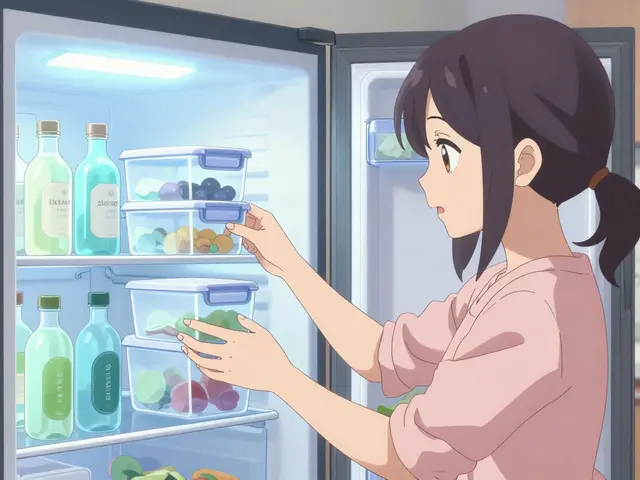
You might think keeping food cold stops tyramine formation. Cold slows it down, but it does not stop it. Even refrigerated foods accumulate amines over time. The key rule is freshness. Buy food that is recently opened or packaged. Avoid bulk bins where you cannot see the manufacturing date.
Specifically, keep your fridge temperature at or below 4°C (39°F). Regular thermometers help monitor this. If you find leftovers in the back of the crisper drawer from last week, throw them out. Spoilage increases tyramine dramatically. Dr. Lieber at Columbia University warns that overripe bananas, avocados, and figs also become risky once their skins begin to brown. The fruit rots from the inside out before you ever see a spot on the skin.
Navigating Social Dining and Restaurants
This is where life gets complicated for most patients. You want to go out with friends, but you cannot just point to a menu and order anything. A standard steakhouse meal often comes with gravy made from aged stock. That gravy might trigger a reaction even if the beef patty itself was fresh.
Communication is your best tool. Tell the server immediately upon seating. Do not wait until ordering. Ask direct questions: "Does the marinade contain soy sauce?" "Is the pickle fresh or fermented?" Chain restaurants often fail to identify hidden ingredients. A 2023 investigation found 7 out of 10 chains could not confirm sauce contents accurately. For peace of mind, stick to places where chefs control the prep, not buffets.
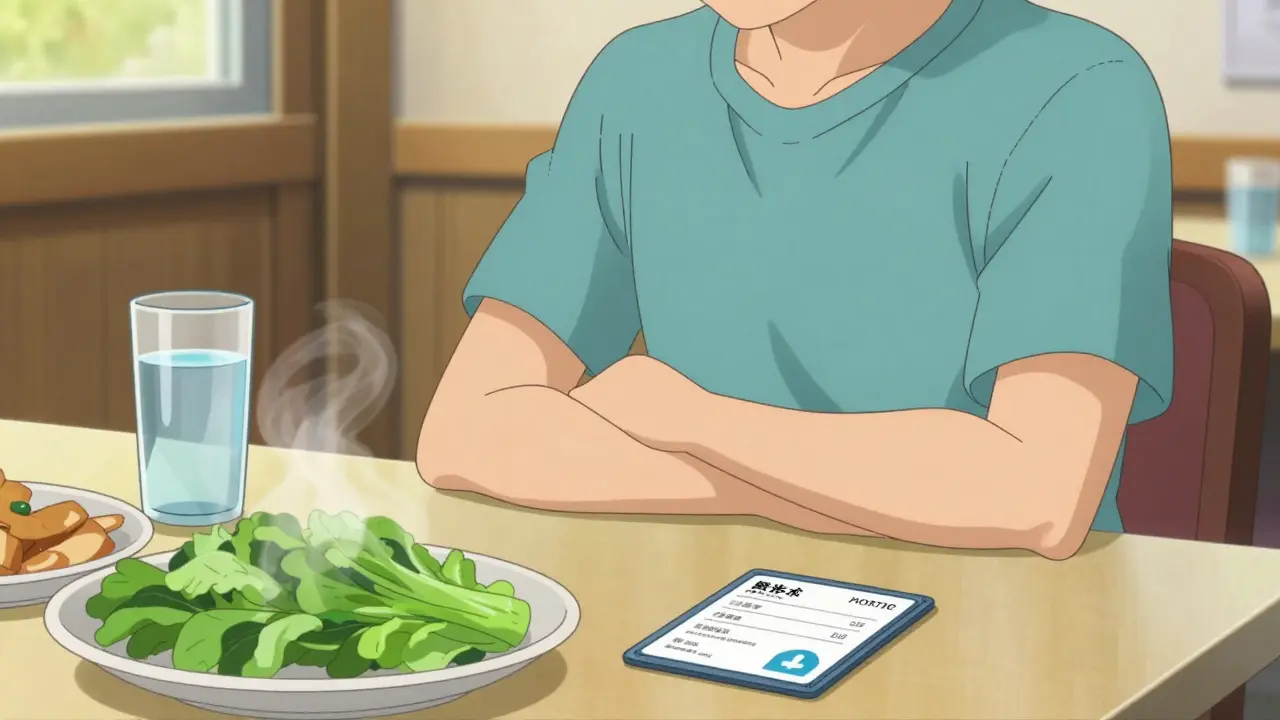
Always carry a card. Emergency physicians prefer standardized warning cards during crises. Having a physical card in your wallet explaining your medication status helps paramedics react faster if your blood pressure rises unexpectedly.
New Tools for Safer Living
The landscape is changing slightly. In 2023, the FDA approved a tyramine-reducing supplement called TyraZyme. Early trials showed a 58% reduction in absorption, though experts remain cautious about relying on this alone. There is also the selegiline transdermal patch, known as Emsam. At lower doses, it allows for up to 10 grams of daily tyramine intake compared to strict oral restrictions. However, most psychiatrists still recommend strict adherence unless you are monitoring blood work constantly.
Grocers are also adapting. Some specialty stores now label goods as "low-tyramine" or "freshly produced." Look for brands that minimize aging cultures. While you cannot eliminate risk entirely, modern food standards have reduced average tyramine levels by about 30% compared to decades ago due to better starter cultures.
Living Well on Treatment
Despite the restrictions, MAOIs are often the only option that works for treatment-resistant depression. They hold about a 4.3% market share but are vital for the 15-20% of cases where SSRIs fail. Patients who strictly follow the diet report high satisfaction rates. The mental stability gained usually outweighs the dietary inconvenience.
It takes about eight to twelve weeks to master this new lifestyle. You learn to spot labels like "aged," "cured," and "fermented." Over time, you develop instincts. Most importantly, remember that the diet restriction lasts for 14 days after you stop the medication as well. The enzyme blockade stays in the system longer than the drug itself.
Can I drink alcohol while on MAOIs?
Alcohol varies greatly. Sherry and vermouth are very high in tyramine and should be avoided completely. Draft beer poses a higher risk than bottled beer due to oxidation in taps. Red wine carries moderate risk. Hard liquors generally have low tyramine but interact poorly with the sedative effects of medication. Always check with your psychiatrist before consuming any alcohol.
Is pickled fruit safe?
Commercially pickled fruits in vinegar may be safer than fermented pickles. However, if the recipe uses brine and time for flavor development, tyramine can accumulate. Fresh fruit is always the safest choice. Avoid overripe bananas and dried fruits like raisins or prunes which concentrate tyramine during drying.
How long does tyramine stay in my system after eating?
Tyramine absorbs quickly, often triggering reactions within 45 minutes of ingestion. However, the metabolic effect depends on your liver function. While the substance clears relatively fast, the spike in blood pressure can linger. Monitor symptoms closely after accidental exposure.
What symptoms indicate a hypertensive crisis?
Early signs include a pounding headache in the temples, neck stiffness, and nausea. You might feel flushed or experience palpitations. If your vision blurs or you start sweating profusely, seek emergency care immediately. Do not wait for chest pain.
Are all antidepressants restricted by the diet?
No. Only MAOIs require the strict tyramine diet. SSRIs, SNRIs, and newer options do not block the monoamine oxidase enzyme in the same way. However, switching between these classes requires a washout period of about two weeks to prevent dangerous chemical interactions.



Goodwin Colangelo
April 2, 2026 AT 14:40This information is absolutely vital for anyone currently prescribed these older medications. Many people think modern therapy rules these meds out completely but they are still lifesavers. You really have to pay attention to the label details though because fresh is the only safe word here. Avoid the bulk bins entirely since you never know how old the stock actually is. It is better to sacrifice some flavor than to deal with a hypertensive crisis in the ER. Keep your fridge temperature monitored too since bacteria still work slowly even in the cold. Trust me on this because I have seen too many patients get careless and end up in trouble. Stay vigilant and you will manage your treatment without incident.
Joey Petelle
April 3, 2026 AT 16:55People always panic over nothing until something bad happens and then they claim they knew it all along. You elitist doctors love scaring patients into submission with tables and charts like we are children. The system is designed to make us feel powerless so we buy their expensive supplements next. Just eat fresh stuff and stop acting like your life depends on a single spoonful of miso paste. We are stronger than a little chemical imbalance and certainly stronger than your fear tactics.
Joseph Rutakangwa
April 5, 2026 AT 15:52Freshness is key. Check dates. Ask servers directly.
Sakshi Mahant
April 6, 2026 AT 18:57In my community, fermentation is traditional culture passed down through generations of family recipes. We celebrate these flavors but health comes first when medication changes the body chemistry. My aunt switched to low sodium options and found plenty of alternatives that kept the taste profile intact. You do not lose your heritage just by reading ingredient lists more carefully.
Divine Manna
April 8, 2026 AT 01:50The assertion regarding enzyme blocking mechanisms is scientifically sound yet frequently oversimplified in popular literature. Monoamine oxidase inhibition remains a cornerstone of psychiatric pharmacology despite newer SSRIs dominating prescriptions. One must appreciate the historical significance of selegiline transdermal delivery systems allowing dietary flexibility. Precision matters when discussing biochemical pathways affecting vascular constriction rates.
Beth LeCours
April 8, 2026 AT 20:16This looks scary honestly.
Will Baker
April 9, 2026 AT 09:56Why does everyone act like life is impossible without gourmet cheese? I bet most people ignore this and live perfectly fine every single day anyway. Your anxiety is probably worse than the actual blood pressure spike risk for average consumers. Stop obsessing over labels and live a little bit before you die of stress. Nobody cares about your tyramine intake except you apparently.
Sam Hayes
April 11, 2026 AT 00:19Thanks for sharing this detailed guide it really helps clarify things for new starters. Sticking to the basics keeps everyone safe while managing their mental health journey together.
Dee McDonald
April 11, 2026 AT 15:31I started taking these meds three years ago and honestly it was a huge learning curve back then.
The first month felt restrictive but now I have instincts that help me navigate any restaurant menu easily.
You have to learn what fermented means beyond just the sourdough bread obsession people have nowadays.
Sauerkraut is the biggest trap in salads because chefs hide it under meat garnishes constantly.
I keep a small card in my wallet explaining my condition to servers so they know not to add secret sauces.
Emergency contacts need to know about my drugs because paramedics might not guess the cause of my headache immediately.
Alcohol is tricky because wine varies by region and aging process which adds another layer of complexity.
Hard liquor is safer but mixing sedatives with depressants feels risky regardless of the tyramine content.
I track my food in a journal for the first six weeks to build muscle memory around safe choices.
Family support is crucial during the transition phase since leftovers at home can be dangerous if stored too long.
Throwing away questionable items seems wasteful but health is not something to gamble with casually.
Grocery stores are improving labels which helps a lot compared to the vague warnings from decades past.
I found low tyramine brands for yeast extract which satisfied my craving for savory spreads safely.
Reading nutrition facts becomes second nature after a while and stops feeling like a chore eventually.
Patience is key and strict discipline pays off in the long run with stable mood regulation.
HARSH GUSANI
April 13, 2026 AT 06:47🇮🇳 🚫 Western processed food ruins our minds 🧠 ❌ Stick to our pure organic traditions 🌾 🙏 🛡️ Import bans save lives 💪 🇮🇳 🏴☠️ 📉