
Inactive Ingredient Differences: Why Your Generic Medication May Feel Different

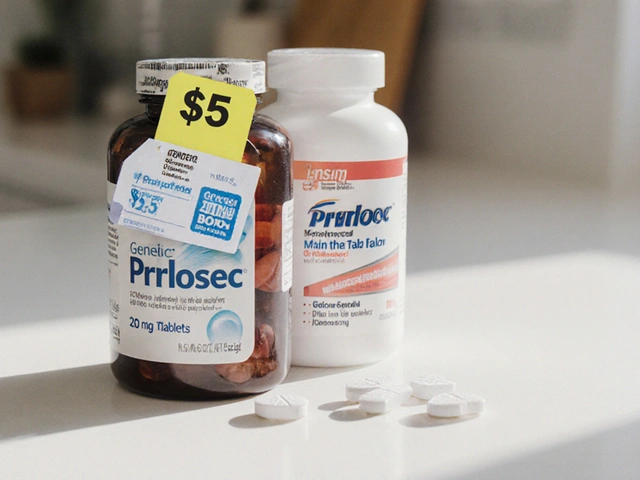
Switching from a brand-name pill to a generic version should be simple-same active ingredient, same effect, lower price. But for some people, it’s not that easy. You might feel off after the switch: more nausea, worse anxiety, or just a strange sense that the medicine isn’t working like it used to. It’s not all in your head. The problem might not be the drug itself-but what’s around it.
What Are Inactive Ingredients?
Inactive ingredients, also called excipients, are the non-medicinal parts of your pill. They don’t treat your condition. But they do a lot of important work. They hold the tablet together. They help it dissolve in your stomach. They make it easier to swallow. They keep it from breaking down too fast or too slow. Without them, most pills would crumble, taste awful, or not work right.
Common inactive ingredients include:
- Fillers: Lactose, microcrystalline cellulose, or starch-used to give the pill the right size and weight.
- Binders: Povidone or hydroxypropyl methylcellulose-stick everything together.
- Disintegrants: Croscarmellose sodium or sodium starch glycolate-help the pill break apart so your body can absorb it.
- Coatings: Hydroxypropyl methylcellulose or polyethylene glycol-make pills smooth, shiny, or time-release.
- Preservatives and dyes: Sodium benzoate, parabens, FD&C red #40-prevent spoilage or make pills look different.
The FDA requires all these ingredients to be generally recognized as safe. But “safe for most people” doesn’t mean safe for everyone.
Why Do Generics Look Different?
By law, generic pills can’t look exactly like the brand-name version. That’s to avoid trademark infringement. So your generic lisinopril might be a white oval instead of a blue capsule. Your generic sertraline could be a yellow tablet instead of a green one. The color, shape, and size change-but the active ingredient stays the same.
That’s fine for most people. But for those who’ve been on the same brand for years, the new pill just feels… wrong. And sometimes, that feeling has a real cause.
When Inactive Ingredients Cause Problems
Most people switch to generics without a single issue. In fact, 95% of patients report no difference at all. But for 1-2%, the change in inactive ingredients makes a noticeable difference.
Here’s why:
- Lactose intolerance: About 36% of Americans have trouble digesting lactose. It’s used in roughly 40% of oral medications. If your new generic uses lactose and your old one didn’t, you might get bloating, gas, or diarrhea.
- Dyes and allergens: Red #40, Yellow #5, and other artificial colors can trigger reactions in sensitive people-especially those with asthma or eczema. About 8% of people who notice side effects point to dyes.
- Sulfites: Found in some injectables and liquid meds, sulfites can cause breathing trouble in 3-10% of asthmatics.
- Aspartame: Used in chewable tablets, this artificial sweetener is dangerous for people with phenylketonuria (PKU).
- Soymilk lecithin: A common emulsifier that can trigger soy allergies in rare cases.
These aren’t rare. Lactose is in 4 out of 10 pills. Dyes are in 1 in 5. And if you’ve had a reaction before, you’re more likely to have one again.

When It Really Matters: Narrow Therapeutic Index Drugs
Most medications have a wide safety margin. Take ibuprofen: a little more or less won’t hurt you. But some drugs are different. They’re called narrow therapeutic index drugs. The difference between a helpful dose and a harmful one is tiny.
Examples include:
- Levothyroxine (for hypothyroidism)
- Warfarin (a blood thinner)
- Digoxin (for heart failure)
- Phenytoin (for seizures)
For these, even small changes in how the drug is absorbed can affect your lab results. One patient switched from brand-name Synthroid to a generic and found their TSH levels jumped out of range. Another switched warfarin generics and had a spike in INR levels-putting them at risk for bleeding.
The FDA still says generics are safe. But they now require stricter bioequivalence testing for these drugs. Some manufacturers even make “authorized generics”-same inactive ingredients as the brand, just cheaper.
What You Can Do
If you’ve switched to a generic and feel different, here’s what to do:
- Check the label. Look at the “Inactive Ingredients” section on the bottle. Compare it to your old brand. If you see lactose, dye, or sulfite and you’ve had reactions before-that’s your clue.
- Keep a log. Write down how you feel for the next 2-4 weeks. Note sleep, energy, mood, digestion, or any new side effects. This helps your doctor spot patterns.
- Ask your pharmacist. Pharmacists can tell you which generics have the same fillers as your brand. Some pharmacies even keep a list of “low-allergen” options.
- Don’t assume it’s all in your head. If you feel worse, say so. It’s not “just anxiety.” It’s chemistry.
- Ask about authorized generics. If your brand-name drug has an authorized generic version, it’s identical-just cheaper. Ask your pharmacist: “Is there an authorized generic for this?”

The Bigger Picture
Generics save the U.S. healthcare system over $2 billion every year. Ninety percent of prescriptions filled are generic. That’s a win. But the system isn’t perfect. Inactive ingredients aren’t tracked the same way as active ones. And patients aren’t always warned.
That’s changing. The FDA is expanding its Inactive Ingredient Database, set to launch in early 2024. It will list every excipient used in approved drugs-and how much is allowed. The 2023 CARES Act also requires clearer labeling of common allergens on drug labels.
Meanwhile, more companies are offering “clean label” generics-no dyes, no lactose, no artificial stuff. These aren’t common yet, but they’re growing.
Bottom Line
For most people, generics are just as good as brand-name drugs. The science backs it. The savings are real. But if you’re one of the 1-2% who feels different after switching, you’re not crazy. You’re not overreacting. You’re just sensitive to something in the pill.
Your body doesn’t care about the brand name on the bottle. It cares about what’s inside. And sometimes, what’s inside isn’t just the medicine-it’s the filler, the dye, the binder. Pay attention. Ask questions. Your health is worth it.
Can inactive ingredients in generics cause side effects?
Yes. While inactive ingredients don’t treat your condition, they can cause reactions in sensitive people. Common culprits include lactose (which can cause bloating or diarrhea in those who are intolerant), artificial dyes (which may trigger skin rashes or asthma), and sulfites (which can affect people with asthma). About 1-2% of patients report noticeable side effects after switching to a generic, often linked to these fillers or additives.
Are generic drugs less effective than brand-name drugs?
No. Generic drugs must contain the same active ingredient, in the same strength and dosage form, as the brand-name version. The FDA requires them to be bioequivalent-meaning they work the same way in your body. Studies show 95% of people see no difference in effectiveness. Any perceived drop in effect is usually due to inactive ingredients affecting absorption or causing side effects, not because the medicine is weaker.
Why do some people feel worse on generic levothyroxine?
Levothyroxine has a narrow therapeutic index-tiny changes in absorption can affect thyroid hormone levels. Even small differences in fillers or coatings between generic versions can alter how quickly the drug dissolves. Some patients report changes in energy, weight, or heart rate after switching. If this happens, your doctor can check your TSH levels and switch you back or to a different generic. Some pharmacies offer authorized generics that match the brand’s formula exactly.
How can I find out what’s in my generic medication?
Check the Drug Facts label on the bottle. The inactive ingredients are listed there, usually at the bottom. You can also ask your pharmacist for a copy of the manufacturer’s prescribing information. For more detail, the FDA’s Inactive Ingredient Database (launching in early 2024) will provide full lists of excipients used in approved drugs. If you have allergies, always compare the ingredient list when switching generics.
Should I avoid generics altogether if I’ve had a bad reaction?
Not necessarily. A bad reaction might be tied to one specific generic version-not all generics. For example, if you reacted to a generic with lactose, you can ask for one made with starch instead. Many pharmacies carry multiple generic brands. Talk to your pharmacist: they can help you find a version without the problematic ingredient. If you need the exact same formula, ask if an authorized generic is available-it’s made by the original brand and has identical ingredients.



Chris porto
December 18, 2025 AT 04:29It’s wild how we assume pills are just chemistry, but they’re also a mix of stuff we never think about. Like, lactose in a thyroid med? That’s not a bug, it’s a feature of the system. And yet, someone’s bloating for weeks and no one connects the dots. We need better labeling. Not just for allergies, but for people who just feel… off.
Danielle Stewart
December 19, 2025 AT 10:23I’m a pharmacist, and I’ve had patients cry because they felt ‘less like themselves’ after switching generics. We don’t talk enough about excipients. I keep a printed list of low-allergen generics on my counter. If you’ve had a reaction before, ask for the one with starch instead of lactose. It’s not magic-it’s just basic care.
jessica .
December 20, 2025 AT 18:02THEY’RE HIDING STUFF IN OUR PILLS ON PURPOSE!! LACTOSE? DYES? IT’S A BIG PHARMA CONSPIRACY TO KEEP US SICK SO WE KEEP BUYING!! THE FDA IS IN THEIR POCKET!! THEY WANT US TO BE DEPENDENT!! LOOK AT THE COLORS-THEY’RE CHOSEN TO MAKE YOU FEEL ANXIOUS!!
Ryan van Leent
December 21, 2025 AT 03:48why do people care so much about this like its a big deal i mean its just a pill you take it or dont take it stop overthinking everything you’re probably just anxious anyway
Sajith Shams
December 22, 2025 AT 00:23Let me tell you something. In India, we’ve been using generics for decades. No one complains. You think your body is special? It’s not. If you feel different, it’s psychological. Or you’re not taking it right. Stop blaming the pill and start blaming your own weakness. The science is clear. 95% work fine. You’re the 5% who can’t handle it.
Glen Arreglo
December 22, 2025 AT 08:36I’ve been on levothyroxine for 12 years. Switched to generic, felt like a zombie for three weeks. My doctor said it was ‘in my head.’ I checked the label-new one had lactose, old one didn’t. Switched back to the one without. TSH normalized in two weeks. This isn’t about being high-maintenance. It’s about being informed. Pharmacies should be required to flag allergens like food labels.
shivam seo
December 22, 2025 AT 22:36Oh great, now we’re treating pills like organic kale? Next they’ll ban caffeine because ‘some people are sensitive.’ This is why America is broke. You want a perfect pill? Pay $200 a month. Otherwise, shut up and take the generic. Your ‘sensitivity’ is just privilege wrapped in a medical coat.
benchidelle rivera
December 24, 2025 AT 12:25If you’re one of the 1-2% who notices a change, you’re not alone. I’ve had patients with severe eczema flare after switching to a dye-containing generic. We documented it. We switched. Their skin cleared. This isn’t anecdotal-it’s clinical. If you feel different, log it. Bring it to your provider. You deserve to feel like yourself again.
Isabel Rábago
December 25, 2025 AT 05:52It’s funny how people will scream about GMOs in their food but think a pill is somehow pure because it’s ‘FDA-approved.’ Excipients aren’t regulated like food additives. And yet, you swallow them daily. You’re not paranoid-you’re just paying attention. The system is designed to ignore you until you’re in crisis. Don’t wait for that.
Anna Sedervay
December 25, 2025 AT 23:02One must acknowledge, with the utmost intellectual rigor, that the current pharmacoeconomic paradigm prioritizes cost-efficiency over individualized physiological response. The commodification of pharmaceuticals has led to the normalization of excipient heterogeneity-an epistemological lacuna in patient-centered care. One might posit that the FDA’s forthcoming database, while a step in the right direction, remains insufficiently granular. I, for one, refuse to ingest any formulation containing titanium dioxide or FD&C Yellow No. 5. It is not mere preference-it is bioethical imperative.