
How Dextromethorphan (DXM) Abuse Happens with OTC Cough Syrups
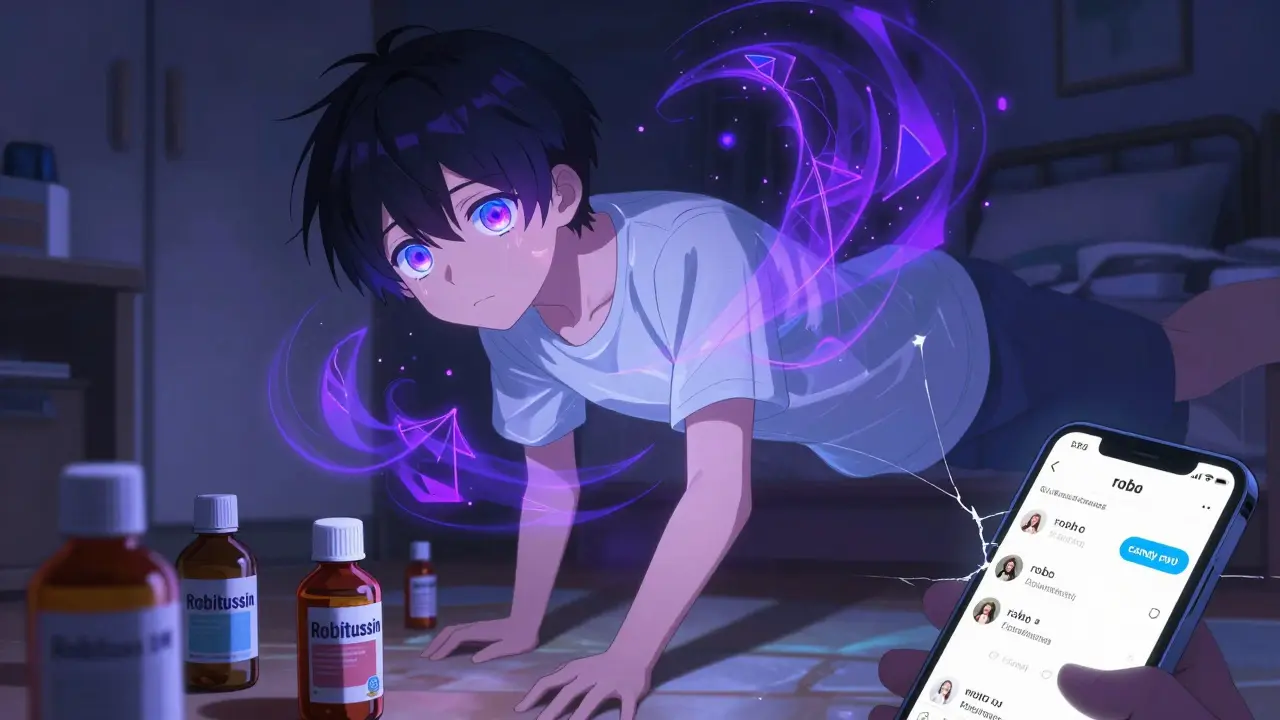
Every year, thousands of teens in the U.S. start experimenting with something they can buy at the corner store: a bottle of cough syrup. It’s not because they’re sick. They’re chasing a high. The active ingredient? Dextromethorphan, or DXM. It’s in over 70 over-the-counter products like Robitussin DM, NyQuil, and Coricidin. Taken as directed, it’s a safe, effective cough suppressant. Taken in massive doses? It turns into a powerful hallucinogen that can wreck your body, your mind, and even your life.
How DXM Works - When Used Right
Dextromethorphan was approved by the FDA in 1958 as a non-addictive alternative to codeine for cough suppression. It works by calming the part of your brain that triggers coughing. No pain relief. No euphoria. Just relief from a nagging cough. At the right dose - 15 to 30 mg every 4 to 8 hours - it’s harmless. That’s why it’s been in medicine cabinets for decades. But here’s the problem: the line between medicine and misuse is dangerously thin.
How Abuse Starts - The Easy Access Problem
Unlike street drugs, DXM doesn’t require a dealer. You don’t need cash under the table. You just walk into a pharmacy, pick up a bottle labeled "DM" or "Cough Suppressant," and pay with cash. No ID needed. No prescription. In Pittsburgh, where I live, you can buy three bottles of Robitussin DM in 10 minutes. That’s 450 mg of DXM - enough to hit the second plateau of abuse. Teens call it "candy," "drank," or "robo." The slang is everywhere on social media. And it’s cheap. A bottle costs less than $5. A full-blown hallucinogenic trip? That’s less than the price of a movie ticket.
The "Plateaus" - What Happens When You Take Too Much
DXM doesn’t just make you dizzy. It breaks you down in stages. Experts call these "plateaus," and each one is more intense - and more dangerous - than the last.
- First plateau (100-200 mg): Mild euphoria, slight dizziness, altered perception of colors and sounds. Feels like being buzzed.
- Second plateau (200-400 mg): Strong dissociation. You feel detached from your body. Sounds echo. Time slows. This is where most first-timers get hooked.
- Third plateau (400-600 mg): Hallucinations. Out-of-body experiences. You might think you’re floating or seeing things that aren’t there. Motor control fades. Walking becomes impossible.
- Fourth plateau (600-1,500 mg): Complete loss of reality. You’re not just tripping - you’re in a coma-like state. Risk of seizures, brain damage, and death spikes here.
Some users take 1,500 mg at once. That’s 50 times the recommended dose. And it’s not rare. The National Institute on Drug Abuse found nearly 5% of high school seniors admitted to abusing DXM in the past year.
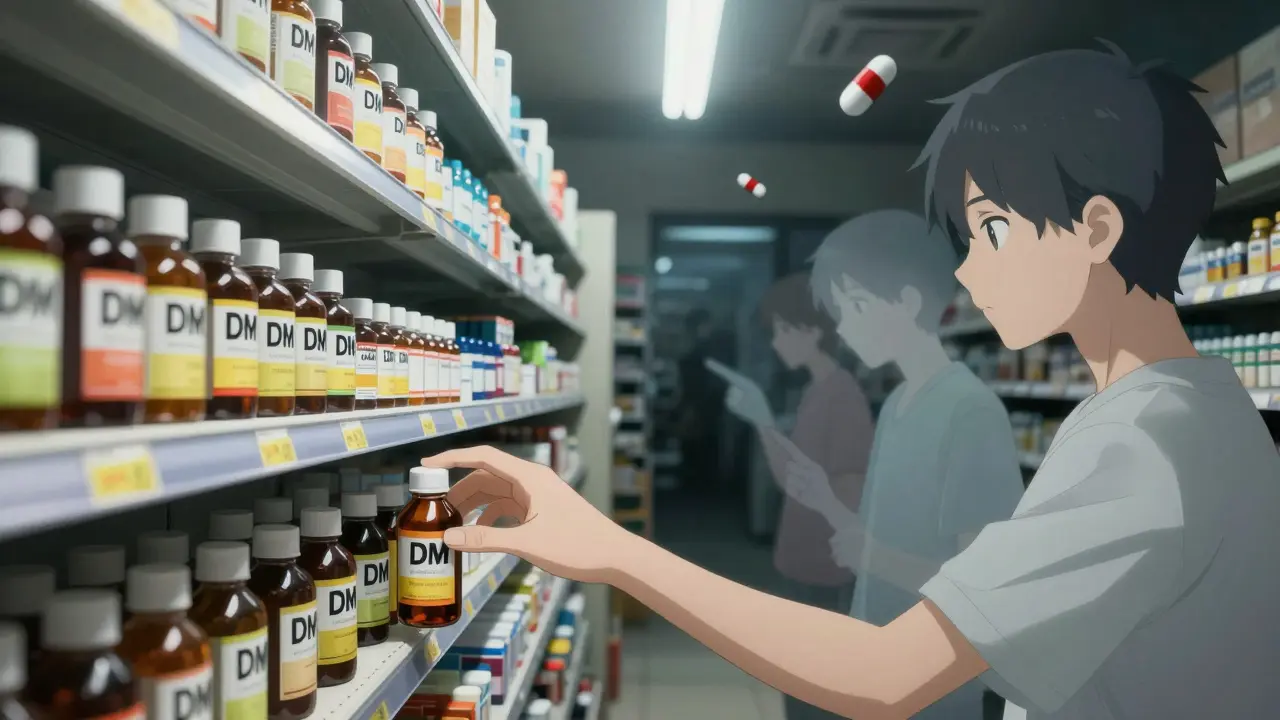
The Tricks - How Abusers Get More DXM, Faster
It’s not just about drinking more. Abusers have gotten creative.
- "Robo shake": Drink a whole bottle, then vomit on purpose. The goal? Keep the DXM in your stomach while flushing out the sugar, antihistamines, and other junk that makes you sick. This method is common among repeat users.
- Chemical extraction: Some users follow online guides to strip DXM out of syrup using simple household chemicals. They end up with a white powder - pure DXM. This is far more dangerous. Powder is easier to overdose on. Snorting it burns nasal tissue. Swallowing it can cause fatal respiratory depression.
- Combining with other drugs: Mixing DXM with alcohol, MDMA, or antidepressants is a death sentence. The risk of hyperthermia (dangerously high body temperature), seizures, and cardiac arrest skyrockets. Mount Sinai Health System has documented multiple teen deaths from DXM-alcohol combos.
What It Does to Your Body - The Real Costs
Short-term effects include blurred vision, slurred speech, nausea, vomiting, rapid heartbeat, high blood pressure, and extreme sweating. But long-term? It’s worse.
Repeated abuse damages your liver. Many cough syrups contain acetaminophen (Tylenol). Taking too much of that can cause liver failure - silently, painfully, and sometimes fatally. One study showed teens who abused cough syrup for months developed chronic liver inflammation, even if they didn’t drink alcohol.
Psychologically, DXM can trigger paranoia, anxiety, and depression. Some users report lasting memory loss and difficulty concentrating. The NIH calls it "the poor man’s PCP" because its dissociative effects mimic the illegal drug phencyclidine - but without the same medical oversight or safety controls.
And yes - it can be addictive. The New Mexico Department of Health says DXM isn’t addictive. But treatment centers like Greenhouse Treatment report rising cases of dependence. Users report cravings, withdrawal symptoms like insomnia and irritability, and an inability to stop even after hospital visits.
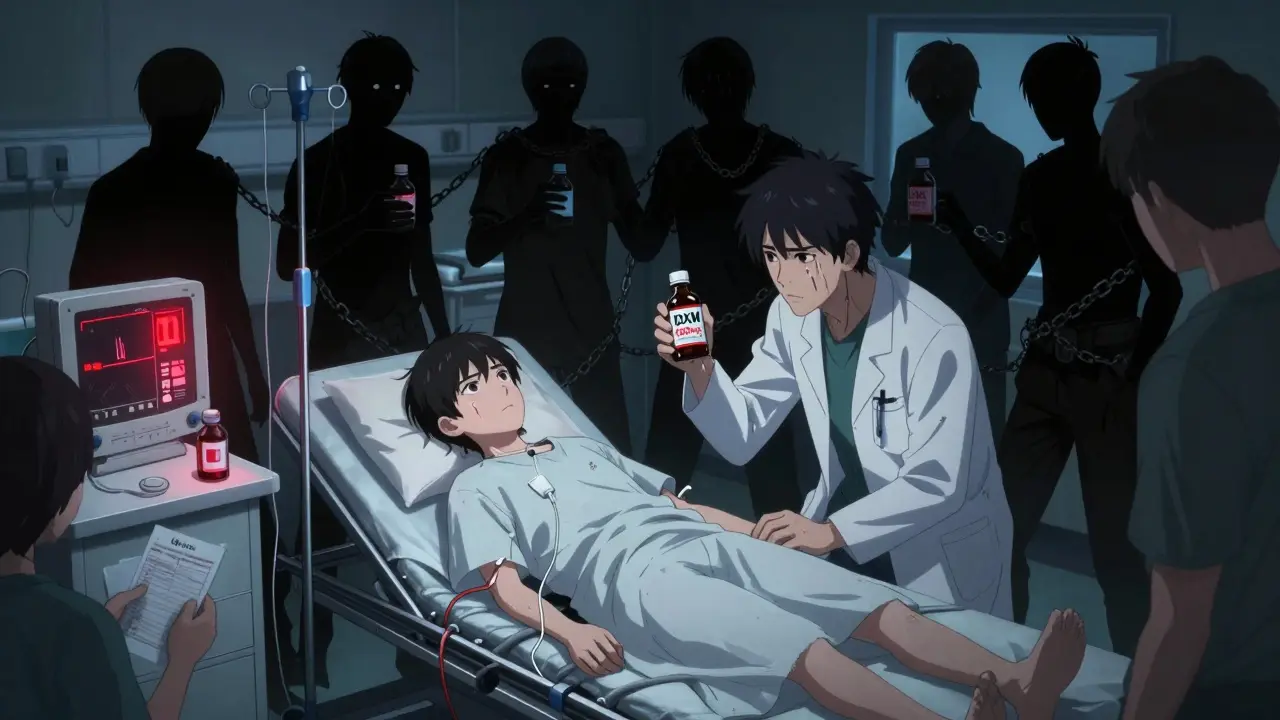
What You Might Not Know - The Hidden Dangers
Many parents assume if it’s sold over the counter, it’s safe. That’s a deadly myth.
Products like Coricidin HBP and Drixoral contain DXM without decongestants - making them ideal for abuse. Teens know to look for "DM" on the label. Some even buy multiple brands to stack doses. One bottle of NyQuil has 30 mg. To reach the third plateau, you’d need 15 to 20 bottles. That’s not just risky - it’s a medical emergency waiting to happen.
And it’s getting worse. DXM is now sold as powder, capsules, and pills online. No syrup. No label. No warning. Just a dark web link and a credit card. The DEA has flagged this trend. They’re watching.
What to Do - Prevention and Recognition
If you’re a parent, check your medicine cabinet. Look for bottles with "DM," "Tuss," or "Cough Suppressant" on the label. Keep track of how many you have. If bottles disappear faster than they should, ask questions. Don’t assume it’s just a cold.
If you’re a teen and you’ve tried this - stop. You’re not invincible. One bad trip can end your life. Or leave you with brain damage you can’t fix.
Doctors say most people who abuse DXM once won’t need treatment. But if you’re doing it regularly - if you’re chasing the high, hiding bottles, or lying about your use - you’re not just experimenting. You’re addicted. And help exists. Treatment centers now specialize in DXM recovery. It’s not easy. But it’s possible.
The truth? DXM abuse isn’t about rebellion. It’s about access. It’s about ignorance. And it’s about the dangerous idea that "if it’s legal, it’s safe." That’s not true. And too many kids are learning that the hard way.
Can you overdose on DXM from cough syrup?
Yes. Taking more than 1,500 mg of DXM at once can cause seizures, coma, respiratory failure, and death. Many cough syrups also contain acetaminophen, which can cause liver failure on its own. Overdoses require emergency medical care - survival depends on how fast you get to a hospital.
Is DXM addictive?
Official sources like the New Mexico Department of Health say DXM isn’t addictive. But real-world data from treatment centers tells a different story. Many users develop cravings, tolerance, and withdrawal symptoms like anxiety, insomnia, and irritability. Repeated abuse changes brain chemistry. It’s not like heroin, but it’s not harmless either.
What products contain DXM?
Common brands include Robitussin DM, NyQuil, DayQuil, Coricidin, Benylin DM, Drixoral, Triaminic DM, TheraFlu, and Dimetapp DM. Look for "DM" on the label. Some products list "dextromethorphan" in the active ingredients. Avoid products with "Tuss" or "Cough Suppressant" if you’re not using them as directed.
Why do teens abuse DXM?
It’s cheap, easy to get, and legal. Unlike marijuana or alcohol, you don’t need to steal or buy from someone illegal. It’s on the shelf next to aspirin. Teens also don’t realize how dangerous it is. Many think it’s "just cough medicine." The dissociative high feels like a psychedelic trip - but without the safety net of a controlled environment.
Can you get DXM in powder form?
Yes. Online sellers now offer pure DXM powder, capsules, and pills. This is far more dangerous than syrup. Powder is easier to overdose on. Snorting it damages nasal tissue. Swallowing large amounts can cause fatal respiratory depression. There’s no safety buffer from other ingredients - just pure, concentrated drug.
Is DXM abuse increasing?
Yes. While overall teen drug use has declined, DXM abuse remains stubbornly high. The 2015 Monitoring the Future survey showed nearly 5% of high school seniors had used it to get high. Recent reports from poison control centers and treatment centers show a steady stream of cases. The rise of online DXM powder sales suggests abuse is evolving, not fading.



lisa Bajram
January 10, 2026 AT 16:53DXM abuse is one of those silent epidemics nobody talks about until someone ends up in the ER with a shattered sense of reality-and a liver that’s seen better days. It’s not just teens. I’ve seen college kids doing ‘Robo shakes’ between classes, thinking they’re being clever. But this isn’t a rite of passage. It’s a slow-motion suicide pact with your neurochemistry. And the worst part? Parents are clueless because the bottle says ‘cough syrup.’
Michael Marchio
January 11, 2026 AT 03:46Let’s be honest-this isn’t about DXM. It’s about a generation that’s been handed everything on a silver platter and now expects the world to bend to their whims. They don’t want to earn their highs. They want them delivered like a pizza. And pharmacies, in their infinite wisdom, have become the corner store for dissociative delusions. The real tragedy? The kids who do this are the same ones who’ll later blame social media, climate change, or their parents for their broken brains. No one wants to take responsibility for the fact that they chose to swallow poison because it was cheap and legal.
Ashlee Montgomery
January 12, 2026 AT 09:06I’ve worked with teens in recovery for years. The ones who abuse DXM aren’t rebels-they’re lost. They’re looking for an escape from anxiety, loneliness, or trauma they don’t know how to name. The dissociation gives them a temporary reprieve from feeling anything at all. That’s not rebellion. That’s pain dressed up as a party. We need more therapists, not more restrictions. The pharmacy shelves won’t fix what’s broken inside.
Jaqueline santos bau
January 14, 2026 AT 02:26My cousin did this for six months. One night she vanished for 14 hours. Found her in the bathtub, staring at the ceiling, whispering to the water. She said the faucet was singing to her in ancient languages. She didn’t speak for three weeks after. Now she’s on antidepressants and therapy. No one warned her. No one even knew what she was doing. I swear, if I see another bottle of Robitussin DM in my house, I’m throwing it out the window.
neeraj maor
January 15, 2026 AT 05:31This is all a psyop. Big Pharma knows DXM is a gateway to mass dissociation. They put it in cough syrup because they want to normalize neurochemical disruption in youth. Watch how they push it as ‘safe’ while quietly lobbying to ban it from shelves. Then they sell you expensive rehab programs. The real drug? Control. They want you dependent on their systems. And the government? They’re complicit. You think they don’t know about the powder online? They’re letting it happen. The DEA’s been asleep at the wheel since 2012.
Aurora Memo
January 16, 2026 AT 02:37I’m a nurse. I’ve seen the ER after a DXM binge. The kid’s eyes are glazed, pupils blown, heart racing like a drumline. They don’t remember their name. Their mom’s crying in the corner. And the worst part? They’re not even mad. They’re just… gone. We don’t need more fear-mongering. We need compassion. And education that doesn’t sound like a PSA from 1998.
Paul Bear
January 16, 2026 AT 17:37From a pharmacological standpoint, DXM is a non-competitive NMDA receptor antagonist with sigma-1 agonist activity-hence the dissociative and hallucinogenic properties at supratherapeutic doses. The metabolic pathway involves CYP2D6 polymorphisms, which explains interindividual variability in toxicity. When combined with antihistamines like chlorpheniramine or acetaminophen, hepatotoxicity risk escalates exponentially. The 5% prevalence among high school seniors is statistically significant (p < 0.01) and correlates with increased ER visits. The real issue? Lack of public health literacy. We’re not failing teens. We’re failing to communicate.
Kunal Majumder
January 17, 2026 AT 12:54Bro, I used to do this in college. One time I took a whole bottle and thought I was in space. Felt like I was floating through a galaxy made of memes. But then I woke up in the hospital with my roommate screaming at me. I didn’t touch it again. It’s not worth it. You think you’re smart? You’re not. You’re just lucky.
Ritwik Bose
January 18, 2026 AT 09:01As someone from India, I find this both terrifying and familiar. We have similar issues with cough syrup abuse here-especially with codeine and dextromethorphan combinations. But what’s different is the silence. Families don’t talk about it. Schools don’t teach about it. And pharmacies? They sell it like candy. We need community awareness, not just medical warnings. A simple poster in every pharmacy could save a life. 🙏
Jake Kelly
January 18, 2026 AT 19:55I used to think this was just a teen phase. Then I met a girl in college who told me she’d taken DXM every weekend for a year. She said it made her feel ‘like herself for the first time.’ That broke me. She wasn’t trying to escape-she was trying to find something real. Maybe the answer isn’t locking it away. Maybe it’s giving kids something better to feel.
Faith Edwards
January 20, 2026 AT 13:23It is a moral abomination, a grotesque testament to the decay of parental vigilance and societal indifference, that a substance capable of inducing psychotic episodes and hepatic necrosis is available with the same ease as a bag of gummy bears. The normalization of pharmacological dissociation among adolescents is not merely a public health crisis-it is a cultural capitulation to the lowest common denominator of hedonism. We have, in our collective apathy, surrendered the sanctity of the developing mind to the whims of corporate profit and adolescent ennui. This is not experimentation. This is self-annihilation dressed in the cheap costume of rebellion.
chandra tan
January 22, 2026 AT 06:09My uncle in Delhi used to give me cough syrup when I was sick. I never knew it could do this. Now I tell every kid I meet: if you’re looking for a high, go outside. Ride a bike. Talk to someone. Music. Art. Anything but this. Your brain isn’t a toy. And this isn’t a game.