
Measuring Education Effectiveness: Tracking Generic Understanding in Patient Education
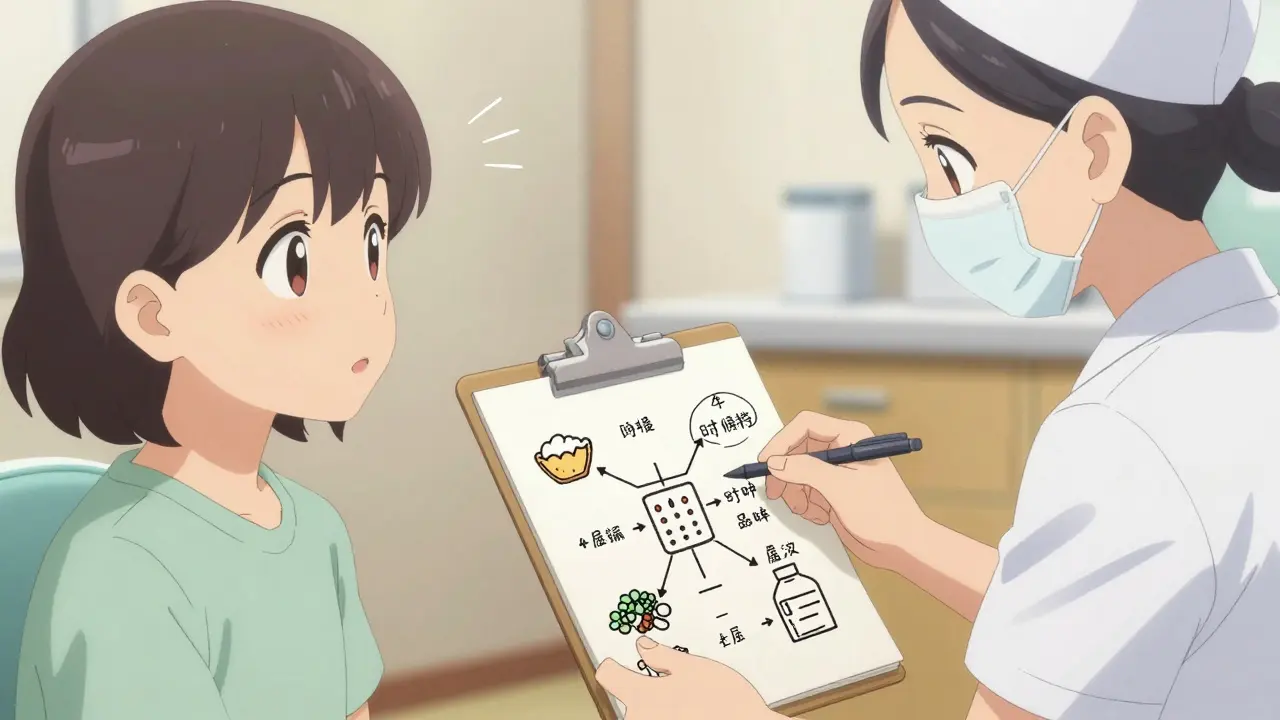
When patients leave a doctor’s office, what do they really understand? It’s not enough to hand them a pamphlet or say, "Take this twice a day." Real education means they can explain why they’re taking the medication, recognize warning signs, and adjust their behavior based on what they’ve learned. But how do you measure that? Too often, patient education is treated like a checkbox: done when the conversation ends. The truth is, generic understanding-the ability to apply knowledge across situations-is the real goal, and it requires smarter ways to track it.
What Is Generic Understanding in Patient Education?
Generic understanding isn’t about memorizing facts. It’s about knowing how to use what you’ve learned in real life. For example, a diabetic patient who can list the symptoms of low blood sugar but doesn’t know to check their glucose before driving isn’t truly educated. Someone who understands that skipping meals affects their insulin needs, even if they haven’t been told exactly how, has generic understanding. This is the kind of learning that sticks, changes behavior, and prevents hospital visits.Traditional education methods-like handing out brochures or showing a 10-minute video-only test surface-level recall. They don’t reveal whether the patient can connect the dots between their diet, medication timing, and energy levels. To measure true understanding, you need to look beyond yes/no answers and into how people apply knowledge in context.
Direct vs. Indirect Ways to Measure Learning
There are two main ways to measure whether education worked: direct and indirect.Direct methods look at what patients actually do. This includes:
- Asking them to demonstrate how to use an inhaler or insulin pen
- Having them explain their treatment plan in their own words
- Using role-play scenarios: "What would you do if you felt dizzy after taking your pill?"
- Reviewing follow-up lab results or medication adherence logs
These methods give clear, observable proof of learning. A study from the NIH found that direct assessments like these were far more reliable than asking patients how confident they felt. Why? Because confidence doesn’t equal competence. You can feel sure you understand your meds-and still take them wrong.
Indirect methods rely on what patients say about their learning:
- Post-visit surveys: "How clear was your treatment plan?"
- Follow-up calls asking, "Did you find the information helpful?"
- Feedback from family members or caregivers
These are useful, but they’re not proof. People often say they understood to be polite, or because they don’t want to admit confusion. A 2023 survey of clinics found that 68% of patients rated their education as "excellent," yet 42% couldn’t correctly describe their medication’s side effects during a later check-in.
Formative Assessment: The Key to Real-Time Feedback
The most effective way to track understanding is through formative assessment-small, ongoing checks during education, not just at the end.Think of it like a teacher giving quick quizzes during class instead of waiting for finals. In patient education, this could mean:
- After explaining a new diet, ask: "What’s one food you’ll avoid this week?"
- At the end of a consultation, have the patient summarize their three main action steps.
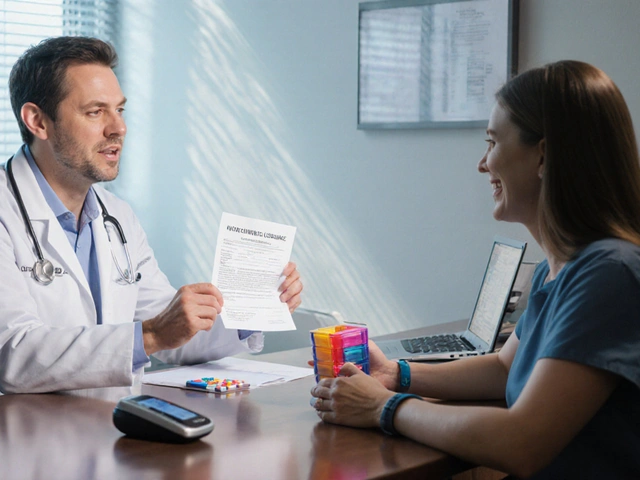
- Use "teach-back" techniques: "Can you show me how you’d take this pill on a day you’re feeling tired?"
These aren’t tests-they’re conversations. A 2023 study of 142 primary care clinics found that using teach-back reduced readmissions by 31% in heart failure patients. Why? Because it catches misunderstandings before they become problems. One nurse in Ohio reported that after switching to daily teach-back, she noticed patients were confusing "take with food" with "take after food." That small mix-up led to nausea and skipped doses. Fixing it on the spot changed everything.
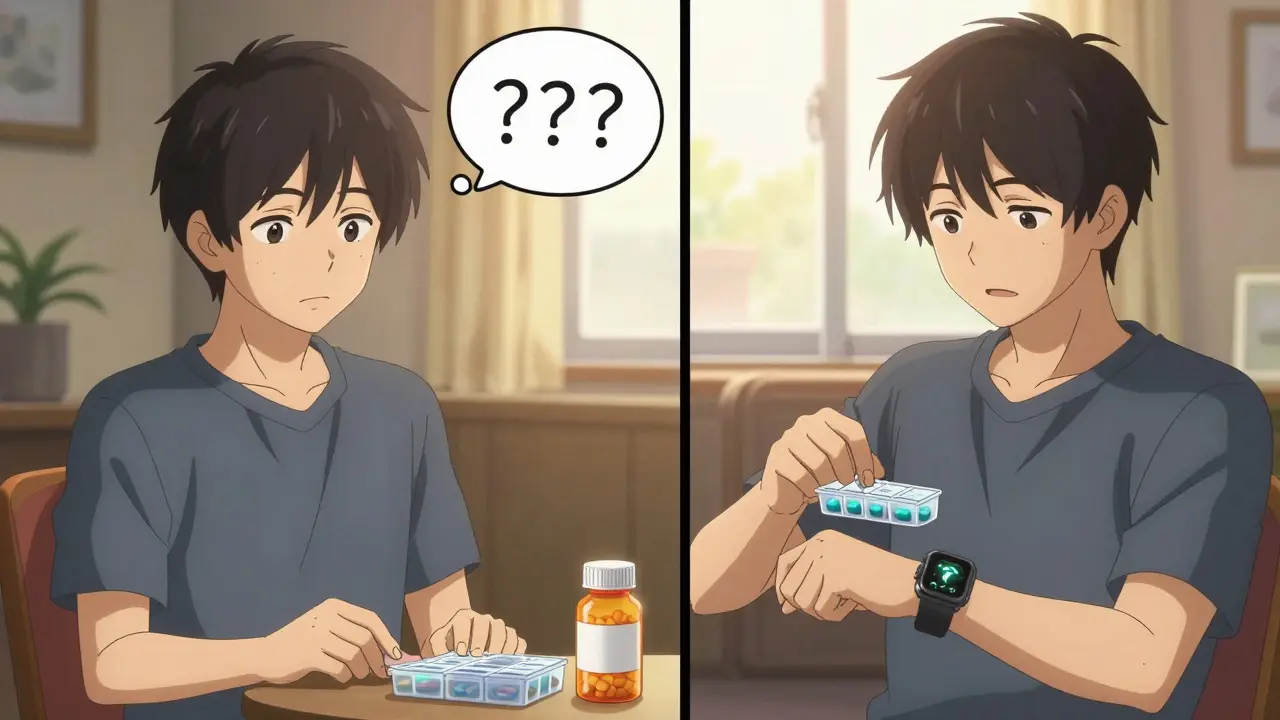
Why Summative Assessments Fall Short
Summative assessment-like a final exam or a discharge questionnaire-only tells you what happened at the end. It doesn’t show how learning happened. And in patient education, that’s dangerous.Imagine a patient who passes a 10-question quiz after a diabetes class. Sounds good, right? But if they got lucky, or memorized answers without understanding, they’re still at risk. Summative tools miss the learning journey. They don’t reveal whether the patient understood the connection between stress and blood sugar, or why their meds need to be taken at the same time every day.
Worse, they create a false sense of security. Clinics often use these quizzes to prove they "did education." But if the goal is behavior change, not quiz scores, then this approach is misleading.
Using Rubrics to Measure Real Skills
One of the most powerful tools for measuring generic understanding is the rubric. It’s not just for teachers. Clinics are starting to use them for patient education too.A simple rubric for medication adherence might look like this:
| Criterion | Not Yet | Developing | Proficient | Exemplary |
|---|---|---|---|---|
| Knows purpose of each med | Can’t name any | Names one or two | Names all, explains why | Explains how they work together |
| Knows side effects | Unsure | Names one | Names two or more | Knows when to call for help |
| Can manage schedule | Confused about timing | Uses pill organizer | Adjusts for travel or meals | Teaches someone else how |
A 2023 LinkedIn survey of 142 healthcare educators found that 78% said rubrics improved both patient outcomes and their own efficiency. Why? Because they make vague goals like "understand your meds" into clear, measurable skills. They also help patients see progress-not just pass/fail.

The Hidden Barriers to Understanding
It’s easy to blame patients when education doesn’t stick. But the real problem is often the system.- Time constraints: A 10-minute visit leaves no room for real checking.
- Language gaps: Even translated brochures can miss cultural context.
- Emotional stress: A new diagnosis clouds memory and reasoning.
- Low health literacy: Many patients read at a 5th-grade level, but materials are written at a college level.
One clinic in rural Tennessee started using pictorial guides instead of text for patients with low literacy. Within six months, medication errors dropped by 54%. Another clinic trained staff to say, "I want to make sure I’m explaining this right," instead of "Do you understand?" That small shift reduced confusion by 62%.
What’s Next: AI and Continuous Learning
The future of patient education isn’t just better tools-it’s continuous feedback.Some clinics are now using simple apps that send daily check-ins: "How are you feeling today?" or "Did you take your pill this morning?" With answers tracked over time, patterns emerge. A patient who says they’re fine but skips doses on weekends gets a personalized reminder. Someone who reports fatigue after meals gets a nutrition tip.
By 2027, AI-powered systems will likely help flag patients at risk of misunderstanding before they leave the clinic. These tools won’t replace human interaction-they’ll support it. Think of them as a second set of eyes, noticing when someone’s answers are inconsistent or vague.
But even the smartest tech won’t help if we don’t start asking better questions. Instead of "Did you get your education?" ask: "Can you tell me how you’ll handle this next week?"
How do you know if a patient truly understands their treatment plan?
The best way is to use teach-back: ask the patient to explain the plan in their own words or show how they’ll carry it out. If they can describe when to take meds, what to watch for, and how to adjust for daily life, they’ve moved beyond memorization into real understanding. Surveys and quizzes can’t capture this-only observation and conversation can.
Why are patient education surveys often misleading?
Surveys measure perception, not performance. Patients may say they understood because they don’t want to seem difficult, or because they’re still processing the information. Studies show that up to 40% of patients who rate education as "excellent" still can’t correctly describe their medications. That’s why direct assessment-like demonstrations or role-playing-is far more reliable.
What’s the difference between formative and summative assessment in patient education?
Formative assessment happens during education-it’s ongoing feedback, like asking questions mid-visit or using teach-back. It helps adjust the message in real time. Summative assessment happens at the end, like a final quiz or discharge form. It tells you whether learning happened, but not how to improve it. For patient education, formative methods are more valuable because they prevent mistakes before they happen.
Can rubrics really improve patient outcomes?
Yes. Rubrics turn vague goals like "understand your meds" into specific, observable behaviors. For example, instead of assuming a patient knows their medication schedule, a rubric checks whether they can name each drug, explain its purpose, and describe what to do if they miss a dose. Clinics using rubrics report higher adherence, fewer errors, and better patient confidence because they know exactly where they stand.
What’s the biggest mistake clinics make in measuring education?
Relying on one method-like a handout or a quiz-and calling it done. Patient education isn’t a one-time event. Understanding builds over time, through repetition, practice, and feedback. The most effective clinics combine teach-back, follow-up calls, visual aids, and simple tracking tools to see how understanding grows, not just whether it happened.
Next Steps for Clinics
If you’re looking to improve how you track patient understanding, start small:- Replace one survey with a teach-back question in every visit.
- Create a simple 3-point rubric for your most common conditions (e.g., diabetes, high blood pressure).
- Track one key outcome-like medication adherence or ER visits-for three months before and after changes.
- Train staff to ask: "What’s one thing you’ll do differently this week?" instead of "Do you have any questions?"
You don’t need fancy tech or big budgets. You just need to stop assuming understanding and start checking for it.


Sarah B
February 7, 2026 AT 12:58Patrick Jarillon
February 9, 2026 AT 10:25Tola Adedipe
February 10, 2026 AT 05:37Heather Burrows
February 10, 2026 AT 16:55Marcus Jackson
February 10, 2026 AT 19:53Lakisha Sarbah
February 11, 2026 AT 20:27Paula Sa
February 12, 2026 AT 18:24Joey Gianvincenzi
February 13, 2026 AT 15:11Jesse Lord
February 15, 2026 AT 00:56Niel Amstrong Stein
February 15, 2026 AT 04:19Mary Carroll Allen
February 15, 2026 AT 23:48Amit Jain
February 17, 2026 AT 07:00Gouris Patnaik
February 19, 2026 AT 02:15Ashley Hutchins
February 20, 2026 AT 19:47